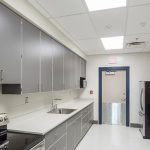
Senior living spaces have higher touchpoints, higher vulnerability to infections, and the need for predictable cleaning cycles without disrupting resident comfort. Decision makers assessing antimicrobial surface solutions and antibacterial wall panels for care homes are looking for practical hygiene gains, stable appearance, and clear maintenance guidance.
This guide explains where built-in surface protection adds value, how to specify panels and finishes that truly support housekeeping, and why Kleenclad’s seam-minimised, hygienic approach fits India’s senior care settings.
Hygiene risks unique to senior care
Shared dining spaces, therapy rooms, corridors, and ensuite areas create frequent contact with hands, mobility aids, and medical trolleys. Conventional paint films scuff and micro-crack with repeated wipe-downs, while tiled finishes fail at grout, where moisture and soils persist.
Seam-minimised antibacterial wall panels for care homes reduce harbourage points and make daily cleaning more repeatable, which supports infection-control goals without increasing labour.
How does built-in protection work on an antimicrobial surface?
Panels with integrated silver-ion technology help reduce microbial load on the panel surface between cleans. The mechanism is embedded within the material, remaining active throughout the product’s service life under normal use. Claims should remain conservative and clear.
This technology complements routine cleaning and disinfection. It is not a replacement for either. In senior facilities, that distinction supports trust among clinical leads, housekeeping, and families.
Where to prioritise antibacterial wall panels for care homes
- Resident rooms and bed-head zones: Smooth, non-porous panels resist stains from frequent touch and reduce time to achieve a clean visual standard.
- Corridors and handrail paths: Impact-resistant finishes maintain appearance under constant contact from walkers and wheelchairs.
- Dining, recreation, and therapy areas: Seam-minimised detailing limits dirt traps at corners and skirtings, improving wipe efficiency after each session.
- Ensuites and bathing rooms: Moisture-stable surfaces with sealed edges help limit mould risk and tolerate routine disinfectant cycles.
Specification essentials for long-term performance
Choose non-porous, low-texture finishes that are compatible with neutral or alkaline detergents, alcohols, oxidisers, and periodic sporicidal when used as directed. Require written cleaning guidance with compatible agents, dilutions, contact times, and temperature limits. Detail coved skirtings, thermoformed corners, and sealed joints to eliminate exposed cut edges.
Request current interior fire performance documents and method statements to standardise installation quality across floors and wings.
Designing for dignity with clinical clarity
Senior environments benefit from low-gloss, calming colours that reduce glare and support wayfinding. With antimicrobial surface panels, palette choices can remain warm while staying practical for inspections. Consider contrasting skirtings and corner profiles for visibility without sacrificing cleanability.
In medication prep points or nurse bases, specify additional abrasion resistance to preserve appearance and reduce touch-up cycles.
Why Kleenclad suits senior living operations?
- Seam-minimised hygiene by design: Panels, trims, and thermoformed corners create continuous surfaces that shorten cleaning cycles and limit inspection failures at edges and joints.
- Built-in antimicrobial protection: Embedded silver-ion technology helps inhibit microbial growth on the panel surface across the product lifetime. Language is conservative and aligned with people-first communication in care environments.
- Chemical and moisture resilience: Surfaces maintain integrity under frequent disinfectant rotations when used per guidance, helping avoid whitening, softening, and early refurbishment.
- Practical installation support, including method statements, installer training, and aftercare documentation, aligns estates, nursing, and housekeeping teams on routine upkeep.
Operations and maintenance that protect outcomes
Results depend on discipline. Calibrate SOPs by zone. High-touch common areas may need more frequent wipe-downs, while back-of-house spaces can follow standard rotation. Build inspection checkpoints for joints, skirtings, and around fixtures to catch sealant wear early. Keep a simple matrix of approved chemistries so agency staff and outsourced cleaners follow the same playbook.
Procurement checklist for antibacterial wall panels for care homes
- Substrate readiness: Verify moisture, adhesion, and flatness; specify approved primers and adhesives.
- Jointing and corners: Use sealed or welded joints, coved skirtings, and factory or onsite thermoformed corners.
- Cleaning compatibility: Obtain written compatibility lists and temperature limits to protect finish quality.
- Fire and compliance: Request current, relevant interior test documentation.
- Warranty and support: Prefer partners that train installers and provide responsive aftercare and spare trims.
Conclusion
Senior living facilities need surfaces that support cleanliness without clinical harshness. Seam-minimised antibacterial wall panels for care homes with integrated antimicrobial surface protection help reduce microbial load on the panel surface, speed up routine cleaning, and maintain a calm aesthetic for residents and families.
By combining conservative claims, documented cleaning compatibility, and disciplined installation, Kleenclad offers a practical path to cleaner walls, predictable maintenance, and a care environment that feels safe and dignified.