How Commercial Kitchen Wall Cladding Improves Hygiene And Cleanliness
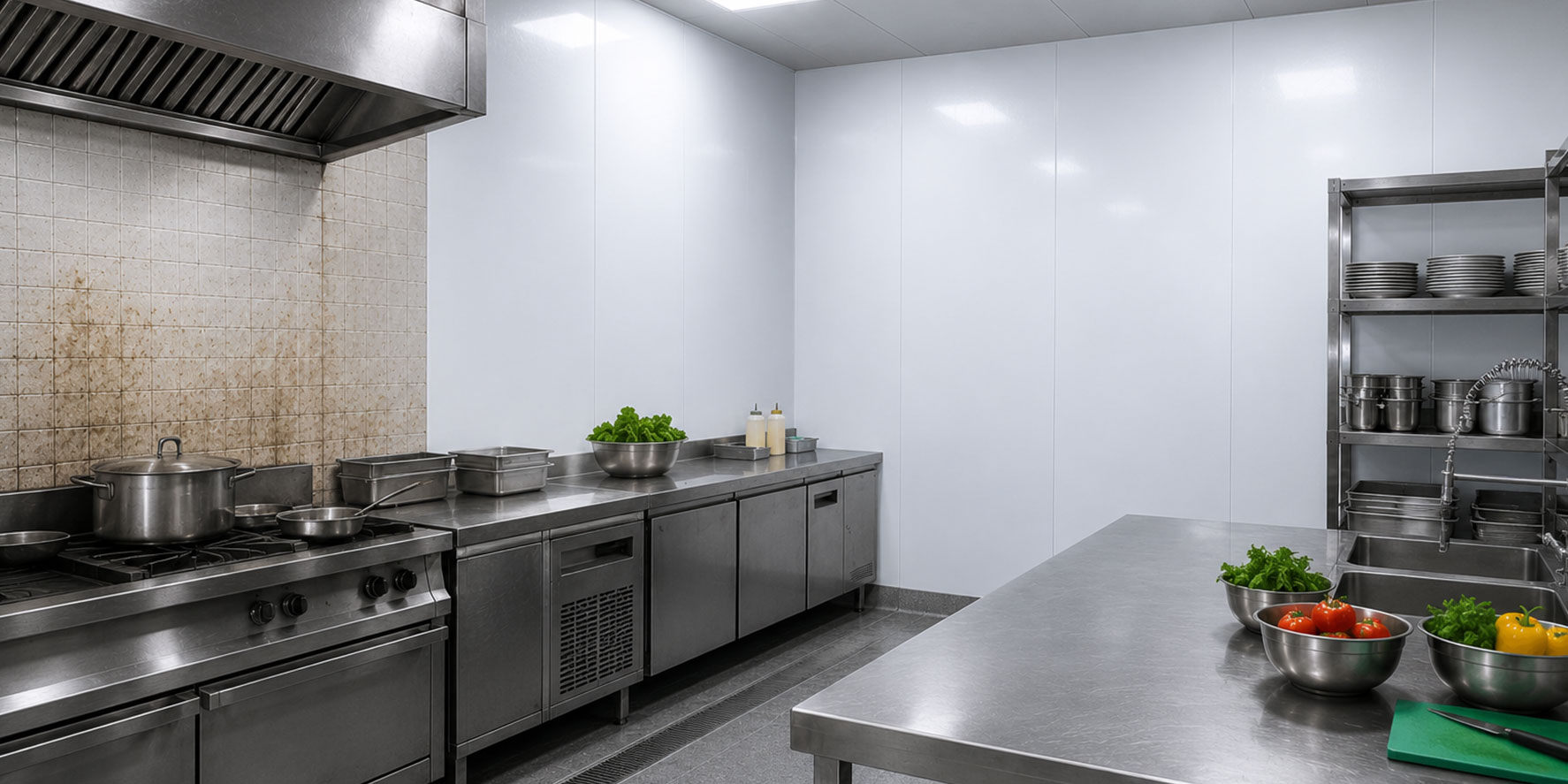
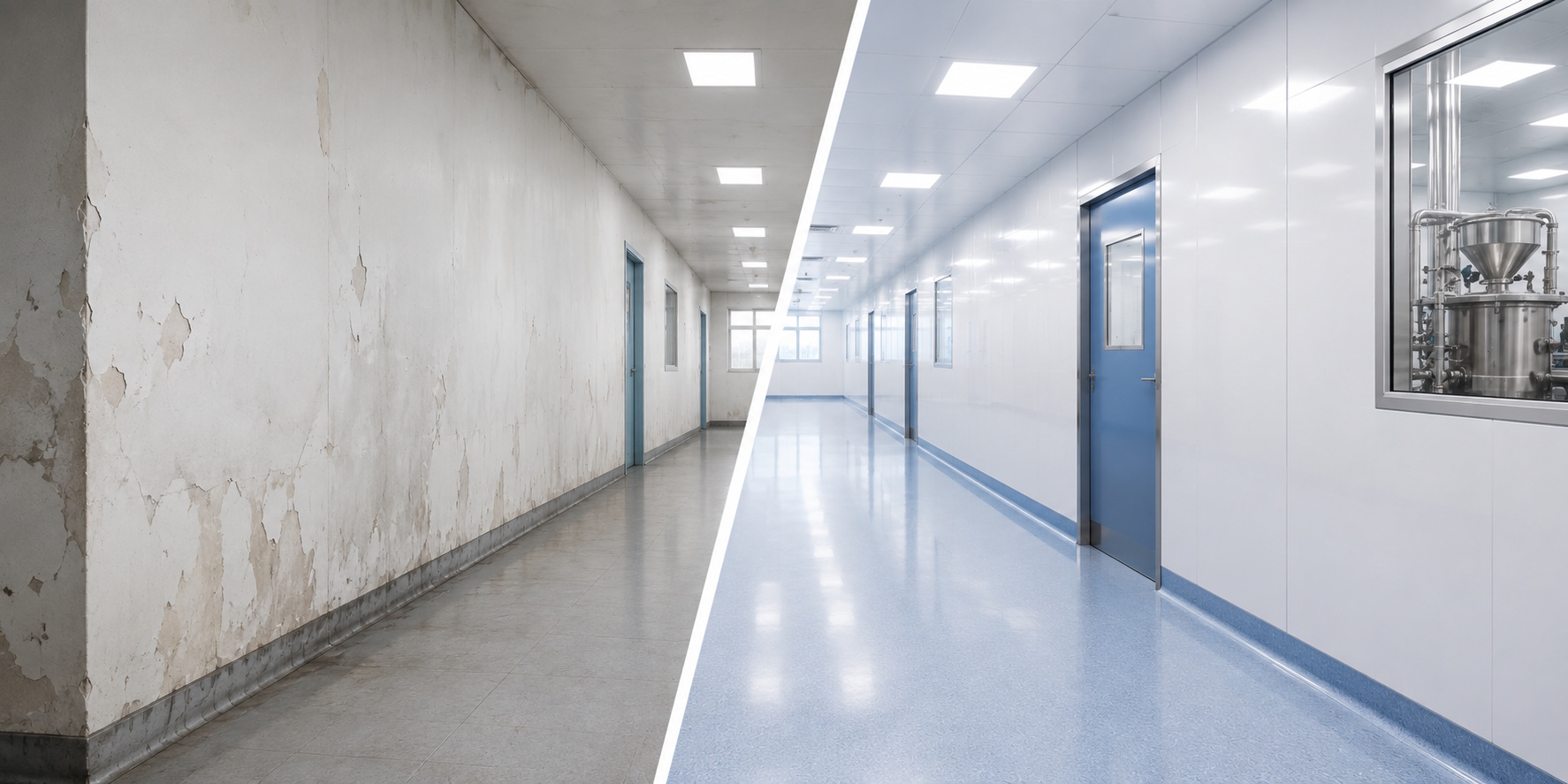
Commercial kitchens face constant exposure to food, grease, moisture, heat, and frequent cleaning, making hygienic wall surfaces essential. Traditional finishes such as painted plaster and tiled walls can develop cracks, stains, or difficult-to-clean grout lines over time. Commercial kitchen wall cladding offers a durable, smooth, and easy-to-maintain alternative designed for demanding kitchen environments. When properly selected and installed, hygienic wall cladding can help minimize areas where dirt and moisture collect, simplify routine cleaning, protect underlying walls from daily wear, and support a cleaner food preparation environment. It provides a practical solution for maintaining hygiene, durability, and efficient maintenance in busy commercial kitchens.
Creating a more hygienic wall surface
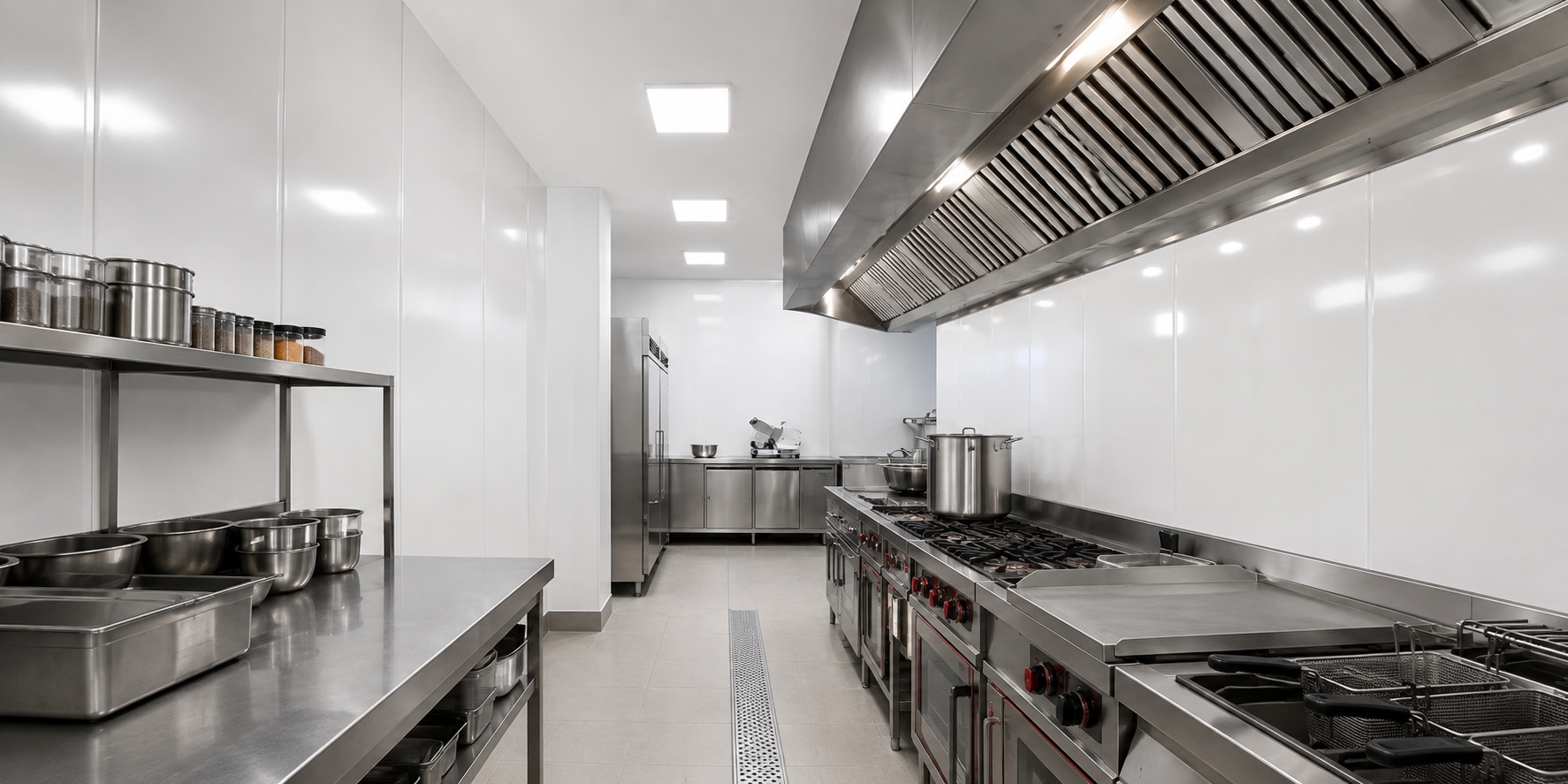
One of the primary advantages of wall cladding in commercial kitchens is the creation of a hygienic surface that is easier to maintain. Kitchen walls are exposed to food particles, grease, steam, water splashes, and other contaminants throughout the working day. If the wall surface is difficult to clean, residues can gradually build up, particularly around cooking and preparation areas. Hygienic wall panels provide a smooth finished surface that can be cleaned more efficiently than many conventional wall finishes. A properly installed cladding system can also reduce the number of surface imperfections where dirt may become trapped. This is particularly valuable in areas where cleaning needs to be performed frequently. Instead of spending excessive time dealing with difficult wall surfaces, kitchen staff can focus on maintaining an overall clean and organized food preparation environment.
Reducing areas where dirt can accumulate
The design of a wall surface can have a direct effect on cleaning efficiency. Traditional tiled walls contain multiple grout joints, while damaged paint or plaster can develop cracks and imperfections. These areas may become difficult to clean thoroughly over time. Depending on the cladding system selected, commercial kitchen wall panels can provide a more continuous surface with fewer difficult-to-access areas. Properly sealed joints and professionally finished edges can further reduce opportunities for moisture, food residue, and dirt to accumulate behind or between wall surfaces. This does not eliminate the need for proper cleaning. Instead, it makes the physical surface easier to maintain as part of an established hygiene routine. Regular cleaning and appropriate sanitation procedures remain essential in every commercial kitchen.
Helping manage grease and food splashes
Cooking processes naturally generate grease and food splashes. Frying, grilling, boiling, washing, and food preparation can all leave residues on nearby walls. If these residues remain on a surface for extended periods, they can become increasingly difficult to remove. Commercial kitchen wall cladding can provide a protective surface around areas that experience frequent splashes. Smooth surfaces are generally easier to wipe down, allowing grease and food residues to be removed as part of regular cleaning. This is particularly useful behind cooking equipment, preparation counters, sinks, and other high-use areas. The wall surface can act as a protective layer, helping prevent everyday kitchen activity from directly damaging the underlying wall structure.
Improving moisture management
Moisture is another important consideration in commercial kitchens. Steam, water splashes, washing activities, and condensation can expose walls to significant amounts of moisture. Over time, unsuitable wall finishes may deteriorate when repeatedly exposed to wet conditions. Moisture-resistant wall cladding can provide an additional protective barrier for kitchen walls. When installed correctly with suitable joints, corners, and seals, it can help prevent water from reaching vulnerable underlying surfaces. This is particularly beneficial around sinks, dishwashing areas, food preparation zones, and other locations where water exposure is unavoidable. Effective moisture management also supports easier maintenance. Walls that remain protected from repeated water exposure are less likely to experience certain forms of surface deterioration associated with unsuitable materials or poor installation.
Supporting a cleaner food preparation environment
Cleanliness is particularly important in areas where food is prepared. Surfaces surrounding preparation counters can come into contact with ingredients, packaging, utensils, and food residues throughout the day. Wall cladding can help create a controlled and easy-to-maintain surface around these areas. By providing a smooth protective finish, it can make it easier for kitchen staff to remove visible contamination during routine cleaning. The goal is not simply to make walls look clean. A well-designed wall surface should contribute to an environment where cleaning can be performed consistently and efficiently. For commercial kitchens, this approach can be valuable because hygiene depends not on a single cleaning activity but on maintaining suitable practices throughout daily operations.
Helping protect walls from everyday damage
Hygiene and durability are closely connected. A wall surface that becomes cracked, chipped, stained, or damaged can become more difficult to clean effectively. Physical deterioration may create additional surface irregularities and increase maintenance requirements. Commercial kitchen wall cladding can help protect underlying walls from common forms of damage caused by daily kitchen activity. Impact from equipment, movement of carts, water exposure, food splashes, and repeated cleaning can all place stress on wall finishes. A durable cladding system can provide an additional protective layer, helping the wall remain functional and presentable despite demanding conditions. This can be particularly important in busy commercial kitchens where walls experience continuous activity rather than occasional household-level use.
Supporting easier and more effective cleaning protocols
Commercial kitchens require frequent cleaning because walls around cooking stations, sinks, preparation counters, and dishwashing areas are exposed to grease, steam, water splashes, and food particles. Hygienic wall cladding can simplify routine maintenance by providing a smooth, easy-to-clean surface that allows staff to remove residues efficiently. This is particularly useful in high-volume kitchens where maintaining consistent cleanliness throughout the day is essential. However, wall cladding does not replace proper cleaning and sanitation procedures. Cleaning frequency should depend on the kitchen’s activities, wall location, and level of contamination. High-use areas may require more frequent attention than less exposed surfaces. Following manufacturers’ recommendations for suitable cleaning agents and methods is also important, as inappropriate chemicals or abrasive techniques can damage the wall surface and affect its long-term performance.
Choosing the right wall cladding for a commercial kitchen
Not all wall cladding products are designed for the same environments. Commercial kitchen operators should evaluate several factors before selecting a system.
- Hygiene requirements should be considered. The surface should be suitable for environments where regular cleaning and sanitation are necessary.
- Moisture resistance is important in areas exposed to water, steam, and condensation.
- Durability should also be assessed because kitchen walls can experience impacts, abrasion, and frequent cleaning.
- Ease of cleaning is another key consideration. Smooth surfaces and appropriately finished joints can help reduce cleaning effort.
- Chemical resistance may also be relevant because commercial kitchens can use a range of cleaning and sanitation products.
Finally, installation quality should not be overlooked. Correct surface preparation, precise panel fitting, proper joint sealing, and professional finishing can significantly influence the long-term performance of the system. For businesses seeking hygienic wall cladding for commercial kitchens, Kleenclad offers a practical solution designed to provide durable, easy-to-clean wall surfaces suited to demanding kitchen environments.
Hygiene in a commercial kitchen depends on proper food handling, equipment sanitation, staff practices, ventilation, drainage, and regular cleaning. Wall surfaces also play an important role in maintaining a clean environment. Commercial kitchen wall cladding can support hygiene by providing smooth, durable, moisture-resistant, and easy-to-maintain surfaces. It helps reduce difficult cleaning areas, protect walls from grease and food splashes, manage moisture, and simplify routine maintenance. Choosing cladding suited to the kitchen environment, along with professional installation and appropriate cleaning practices, can improve long-term performance. Together, these measures create cleaner, more durable, and easier-to-manage commercial kitchen spaces while supporting consistent hygiene standards.
Related Blogs
Explore updates and perspectives from KleenClad as we share what’s shaping cleaner, smarter spaces.
.png)