Maintaining high standards of hygiene in educational environments has never been more critical. Schools and universities host thousands of students, teachers, administrative staff, and support personnel who move through corridors, classrooms, washrooms, cafeterias, and laboratories on a daily basis. With such a high density of human traffic, surfaces in these environments—especially walls—can quickly become reservoirs for microbial growth and a vector for illnesses. This makes hygienic wall cladding for schools and universities an essential investment, rather than an optional upgrade.
The Hidden Risks Behind Conventional Wall Surfaces
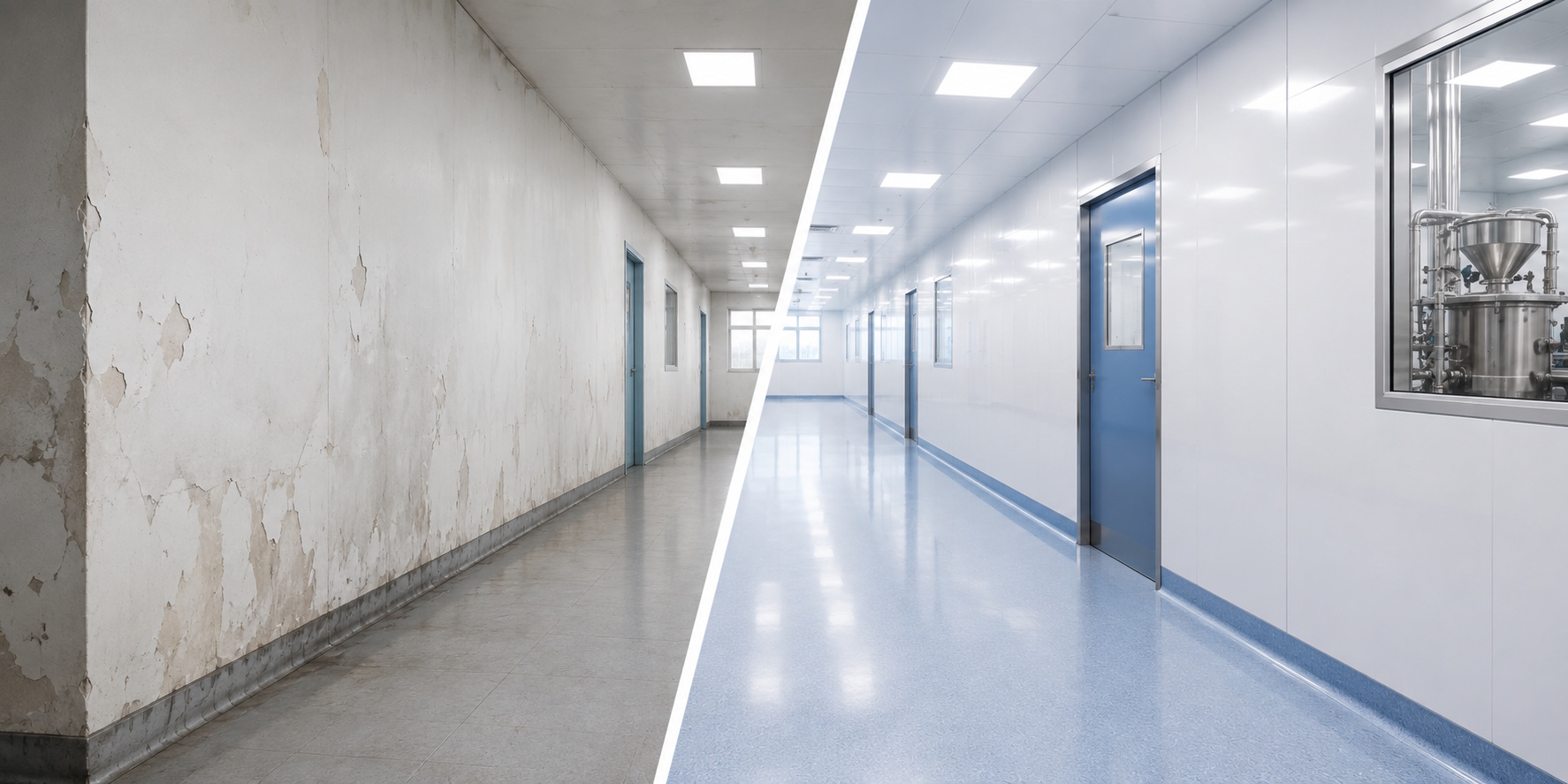
Traditional wall finishes—paint, tiles, or even laminated panels—can appear clean, yet they are often susceptible to microbial colonization over time. Cracks, seams, grout lines, and porous surfaces serve as breeding grounds for bacteria, fungi, and viruses. Furthermore, these materials can deteriorate under frequent surface cleaning with harsh chemicals, leading to peeling, discoloration, and loss of structural integrity.
Children and young adults are particularly vulnerable to contagious conditions like colds, flu, gastrointestinal illnesses, and strep throat. The CDC and WHO estimate that healthcare-associated microbes are often transmitted in environments with heavy foot traffic and high-density populations. Walls, door frames, desks, and washroom tiles become frequent “touch points” that can accelerate disease transmission rapidly among students—even those not in direct contact with each other.
Even paint labeled as antimicrobial only provides temporary, surface-level protection. Once the coating wears off, the wall reverts to a regular, unprotected state—compromising safety until reapplication. For educational institutions, where budgets and staff time for rework are limited, temporary solutions are not sustainable.
What’s “Hygienic Wall Cladding for School”—and Why It Matters
Kleenclad’s hygienic wall cladding for education institutions—like K-Bio (gloss finish) and K-Guard (matt finish)—are engineered to deliver long-term antimicrobial protection suitable for high-traffic institutions. Through embedded silver-ion technology (BioMaster™), these solutions deliver passive, continuous hygiene without relying on reapplication or topical disinfectants.
Here’s how they outperform traditional materials:
- Seamless, crevice-free design minimizes microbial harborage points
- ISO 22196-certified for antimicrobial efficacy tests
- Resilient to chemicals, moisture, and daily wear
- Non-porous surface makes cleaning easier and more effective
- Guaranteed durability—20-year service life, recyclable materials
In essence, our products align with public health goals by supporting consistent daily hygiene through product design, not just through maintenance protocols.
The Science Behind Silver Ion Efficacy
Silver’s antimicrobial use dates back over two millennia to Hippocrates. In modern times, it gained prominence after bacteriologist Joseph Lister began using silver-impregnated sutures in the 1800s—even before widespread germ theory. Today, silver ions embedded within surfaces continue to inhibit microbial growth effectively. Detailed scientific studies, including those from the University of Arkansas, demonstrate that silver ions disrupt bacterial cell membranes, chromosomal replication, and enzymatic systems—ultimately neutralizing pathogens on contact .
By incorporating silver into polymer formulations, our wall cladding offers a passive hygiene measure that continuously disrupts the “chain of infection,” especially crucial between cleaning cycles. Studies by bestselling author Jason Tetro indicate that combining passive environmental hygiene (like antimicrobial cladding) with active cleaning drastically reduces the presence of disease-causing microbes.
Targeted Use Cases in Educational Institutions
Key areas that benefit most from hygienic wall cladding for education institution include:
- Corridors and stairwells: High foot traffic and touch surfaces make these hotspots for germ proliferation.
- Classrooms and laboratories: Frequent interaction, shared equipment, and varied hygiene habits increase microbial load.
- Washrooms and changing rooms: Constant moisture fosters bacterial growth—crevice-free surfaces reduce harborage.
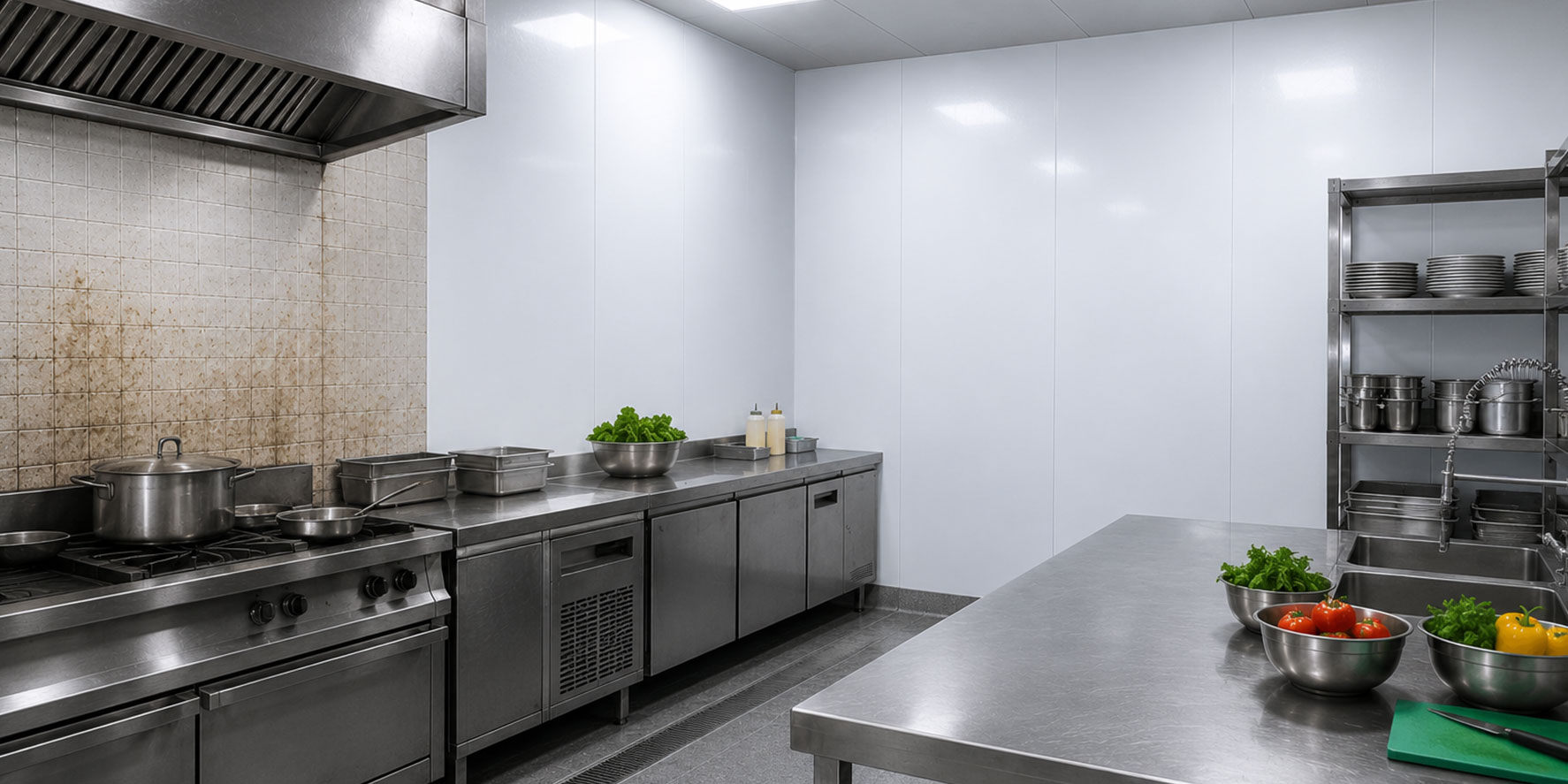
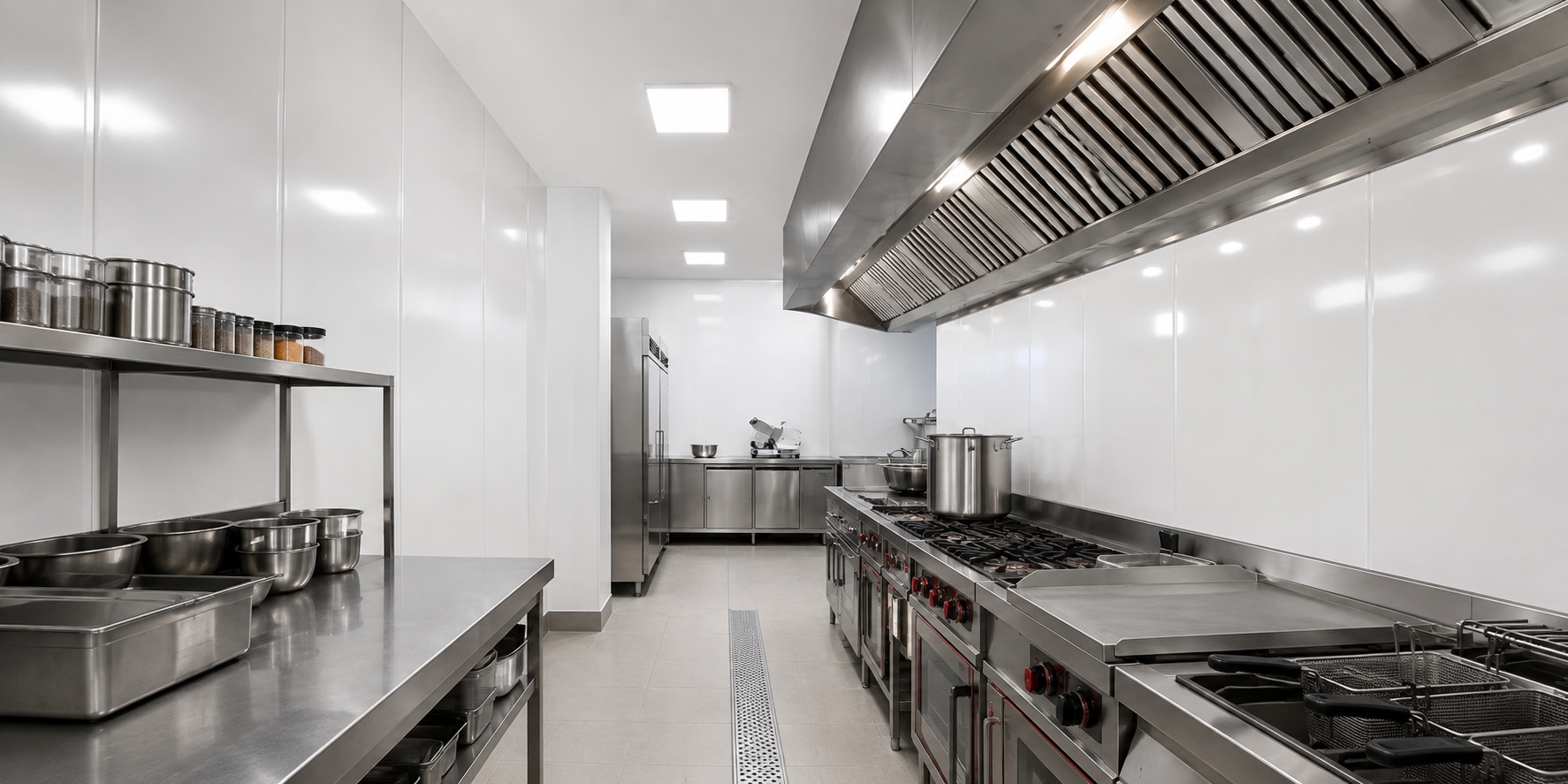
- Cafeterias and food prep zones: Foodborne pathogens thrive on porous or damaged surfaces; non-porous cladding mitigates risk.
- Medical rooms and infirmaries: Infection control is paramount; antimicrobial cladding becomes part of a layered hygiene strategy.
Implementing hygienic wall cladding for school facilities signals institutional responsibility and helps schools align with health guidelines without incurring high-maintenance costs over time.
Cost-Benefit: Financial and Operational Advantages
Hygienic wall cladding provides unmatched long-term gains:
- Lower long-term maintenance: Fewer repairs, no re-coating, reduced labour and materials.
- Extended product lifespan: 20-year warranties and resistance to wear offset upfront investment.
- Reduced illness-related absences: Fewer health issues among students and staff helps maximize attendance and learning outcomes.
- Regulatory and reputational benefits: Facilities demonstrating proactive hygiene strategies gain credibility with parents and regulatory bodies alike.
Beyond Hygiene: Enhancing Aesthetics & Sustainability
With a range of gloss and matt finishes, our wall cladding supports vibrant interiors that feel welcoming while ensuring safety. Recycled, recyclable, and low-maintenance, this solution also meets sustainability objectives critical to modern educational institutions.
Conclusion
In the post-pandemic landscape, hygienic wall cladding for school and universities is more than architectural upgrade—it’s a proactive commitment to community health. By combining science-backed passive protection with durable, easy-to-clean materials, Kleenclad offers a compelling solution to reduce infection risks, lower maintenance overhead, and uphold institutional reputation.
For schools and universities committed to a safer learning environment, hygienic wall cladding isn’t a luxury—it’s a necessity. Contact Kleenclad today to discover how we can transform your facility’s hygiene standards.