Key Features To Look For In Wall Cladding For Cleanrooms
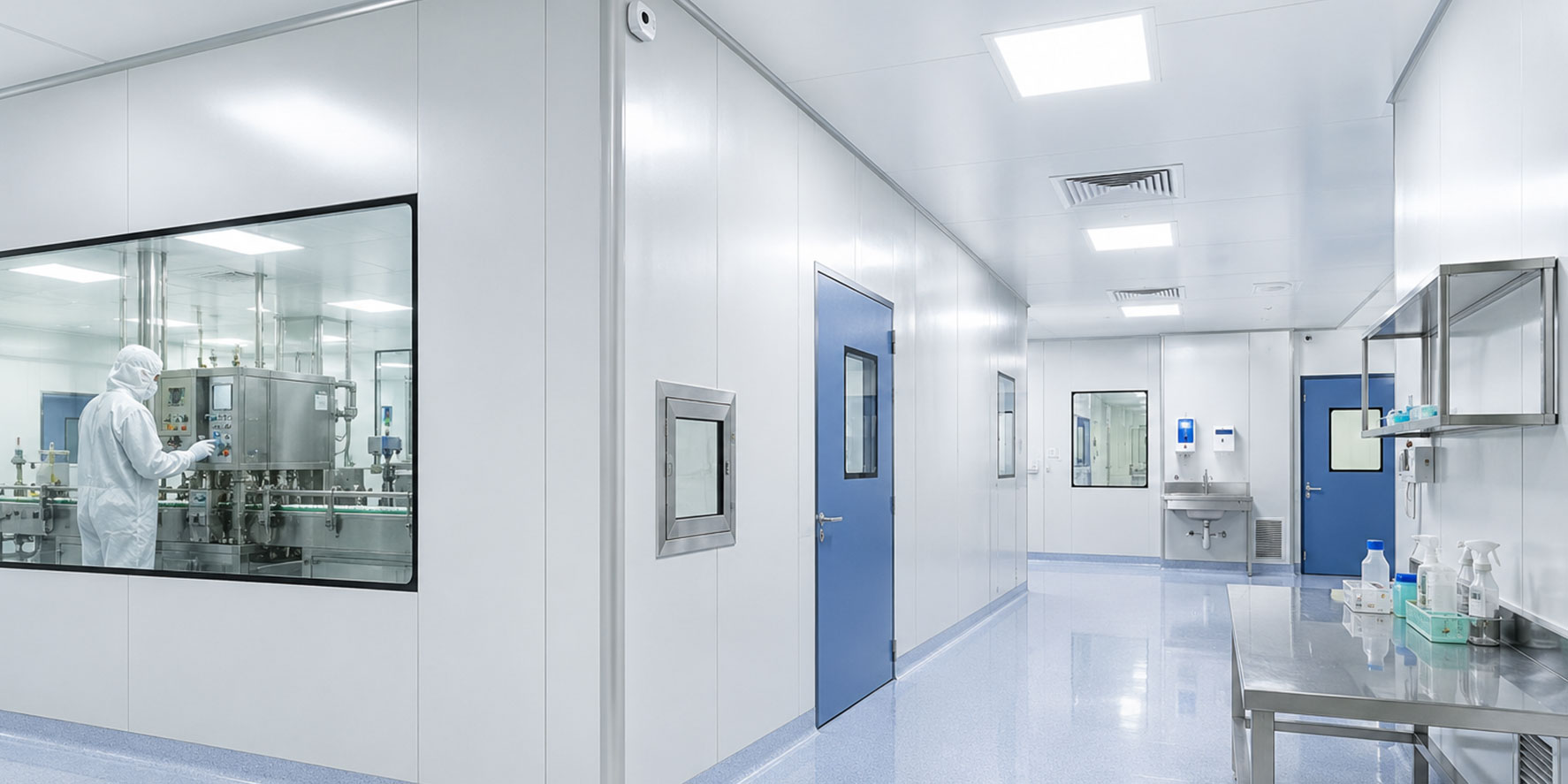
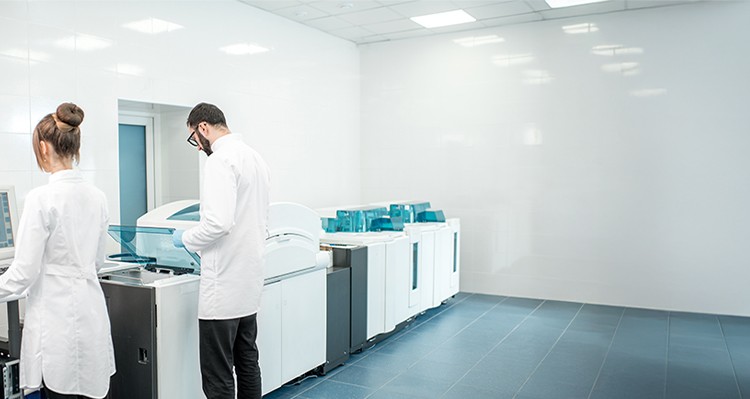
Cleanrooms are designed to maintain tightly controlled environmental conditions where microorganisms, moisture, residues, and other unwanted elements must be carefully managed. While air filtration and controlled airflow are central to cleanroom performance, the surfaces within the room also require careful consideration. Walls and ceilings are continuously exposed to cleaning, sanitization, personnel movement, equipment, and changing environmental conditions. Their ability to remain smooth, intact, hygienic, and easy to maintain can influence the overall condition of the space. Choosing suitable cleanroom wall cladding therefore requires looking beyond appearance and considering characteristics such as non-porosity, cleanability, antimicrobial performance, chemical resistance, durability, moisture resistance, safety, and long-term surface integrity.
Smooth and Non-Porous Surface
A smooth, non-porous surface is one of the most important characteristics to consider when selecting wall cladding for a cleanroom. Wall surfaces should minimize spaces where dust, moisture, microorganisms, or residues can accumulate. Porous or heavily textured materials can make routine cleaning more difficult because residues may become lodged within surface irregularities. A smooth cladding surface, in contrast, allows cleaning teams to wipe down walls more consistently and efficiently. The absence of unnecessary surface irregularities also supports predictable maintenance. When walls can be thoroughly wiped and sanitized without dealing with difficult-to-reach pores or damaged areas, maintaining suitable cleanliness becomes more practical. For this reason, surface smoothness should not be viewed simply as an aesthetic characteristic. It directly influences how effectively a cleanroom wall can be cleaned, maintained, and kept in suitable condition over time.
Easy and Effective Cleanability
Cleanrooms require regular cleaning and sanitization, making cleanability an essential consideration when evaluating wall cladding. A wall surface may appear hygienic when newly installed, but its practical value depends largely on how easily it can be maintained throughout its service life. The selected cladding should have a surface that allows routine wiping without requiring complicated maintenance procedures. This becomes particularly important in environments where cleaning takes place frequently or where different cleaning agents are used as part of established hygiene protocols. Easy cleanability can also contribute to operational efficiency. When surfaces can be cleaned quickly and thoroughly, maintenance activities can be completed with less disruption to normal operations. The objective is not simply to choose a wall that is easy to clean initially. The more important consideration is whether the surface can continue supporting straightforward cleaning routines after repeated exposure to wiping, sanitization, moisture, and everyday use.
Durability Under Frequent Cleaning
Cleanroom walls have to withstand more than ordinary day-to-day use. They may experience repeated cleaning, contact with carts and equipment, movement of personnel, and occasional impacts. A wall system that scratches, cracks, dents, or deteriorates easily can become increasingly difficult to maintain. Even relatively minor damage can affect the continuity and cleanability of the surface. Durability is therefore closely linked to long-term hygiene and maintenance. A robust wall surface is better positioned to maintain its intended characteristics despite repeated use and cleaning. Impact and scratch resistance are particularly valuable in areas where equipment or material movement takes place close to walls. Choosing a cladding system designed for demanding environments can reduce the likelihood that routine activity will quickly compromise the wall surface. The required durability should be determined according to traffic levels, equipment movement, cleaning frequency, operational conditions, and the expected service life of the cleanroom installation.
Resistance to Cleaning Chemicals
Wall cladding in a cleanroom must withstand its cleaning environment. Frequent exposure to disinfectants, sanitizers, detergents, and other cleaning chemicals can gradually affect unsuitable wall surfaces. Chemical resistance is therefore an important selection criterion. A wall system should retain its surface characteristics when exposed to the cleaning agents specified for the facility. This matters because deterioration can create additional maintenance problems. Surface discoloration may affect appearance, while degradation, cracking, peeling, or loss of surface integrity can make cleaning more difficult. Damaged areas may also become harder to sanitize effectively. PVC-based hygienic cladding systems are often selected for demanding environments partly because of their resistance to moisture and a range of chemicals. However, actual chemical compatibility should always be evaluated against the specific cleaning agents, concentrations, temperatures, and exposure conditions expected in the facility.
Resistance to Scratches and Surface Damage
Surface damage deserves specific attention because cleanroom walls are repeatedly cleaned and used. Scratches can alter the smoothness of a surface and make affected areas more difficult to maintain. A suitable cladding should retain its finish despite routine cleaning and normal operational contact. This becomes particularly relevant in high-traffic zones where people, carts, tools, or equipment may come close to walls. Scratch resistance also contributes to long-term appearance. While aesthetics are not the primary purpose of cleanroom cladding, a deteriorated surface can indicate broader material wear and may eventually require repair or replacement. Selecting a wall system with appropriate abrasion and impact resistance can therefore support both hygiene and longevity. The required level of protection should be determined according to the specific traffic, equipment, cleaning frequency, and operational demands of the cleanroom. Material specifications and manufacturer test data can help determine whether the selected cladding offers suitable resistance for the intended application.
Moisture and Water Resistance
Moisture can be a persistent concern in controlled environments, particularly where walls are regularly wiped, washed, or exposed to condensation. Wall materials that absorb moisture can present maintenance challenges and may deteriorate when repeatedly exposed to wet conditions. A moisture-resistant wall cladding system provides a more suitable surface for environments where frequent cleaning and sanitization are necessary. An impermeable or non-porous surface helps prevent water from penetrating the material and makes routine wiping more straightforward. Moisture resistance is also closely connected with surface hygiene. Keeping the wall surface intact and minimizing opportunities for moisture retention can support better overall maintenance. This makes water resistance more than a durability feature. It contributes to maintaining a clean, stable, and easily maintainable interior environment. When selecting cladding, facility requirements, cleaning practices, humidity levels, and expected exposure to water should all be considered to determine the appropriate level of moisture resistance.
Antimicrobial Performance
Cleanliness and antimicrobial protection are related but not identical. Cleaning removes unwanted residues and microorganisms from a surface, while antimicrobial technologies can provide an additional layer of protection by limiting microbial growth on the material itself. For cleanroom applications, this distinction can be important. Walls are exposed to people, equipment, cleaning activities, and movement throughout the facility. Even with established cleaning protocols, surfaces can be repeatedly exposed to microorganisms during normal operations. Antimicrobial wall cladding can therefore complement routine hygiene practices by helping inhibit the growth of bacteria, fungi, and certain other microorganisms on the treated surface. Some systems incorporate antimicrobial agents directly into the material rather than relying solely on a coating applied to the surface. Antimicrobial properties should be assessed alongside the material's durability, cleanability, chemical resistance, and documented performance to determine whether they suit the intended cleanroom application.
Summary of Key Principles
Choosing the right wall cladding is important for maintaining a clean, durable, and easy-to-maintain cleanroom environment. Factors such as surface quality, cleanability, durability, moisture resistance, and chemical resistance can help determine the suitability of a cladding system. Careful evaluation of these features can support reliable wall performance and long-term maintenance. Selecting an appropriate solution can also help maintain consistent wall performance while supporting practical maintenance requirements throughout the cleanroom’s service life. For facilities looking for durable and hygienic cleanroom wall cladding, solutions from Kleenclad can be evaluated based on their cleanability, surface characteristics, chemical and moisture resistance, durability, and documented performance.
Related Blogs
Explore updates and perspectives from KleenClad as we share what’s shaping cleaner, smarter spaces.
.png)