Why Wall Cladding Is Important For Modern School Classrooms
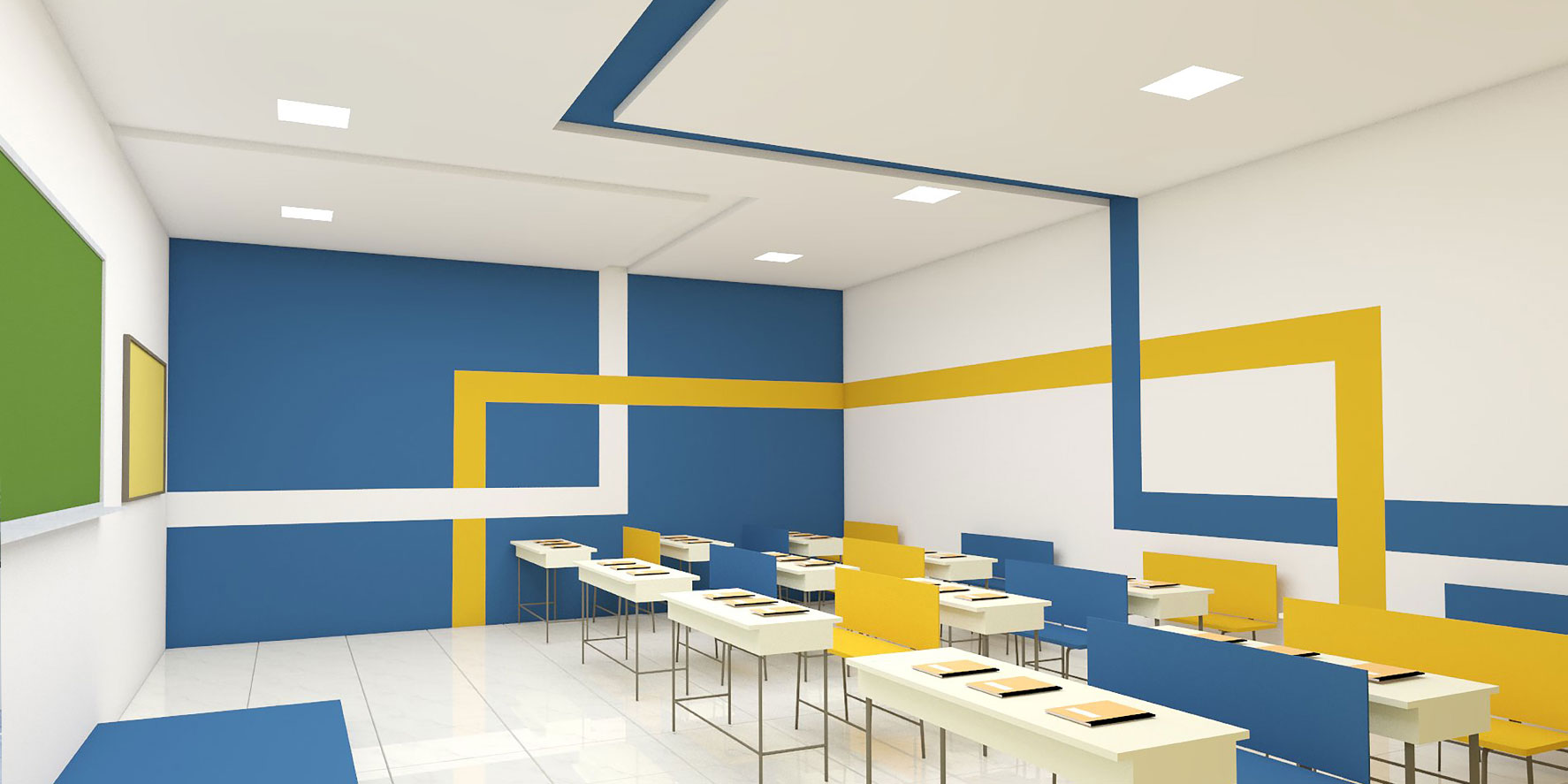
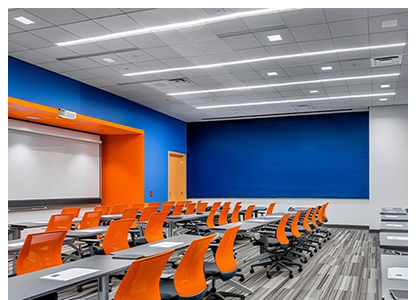
Classrooms must maintain cleanliness, functionality, and comfort throughout the academic year. Yet daily student engagement can exert significant pressure on wall surfaces. Furniture relocation, bag contact with walls, frequent student touching of surfaces, and routine cleaning all contribute to wear. Over time, standard painted or conventional wall finishes accumulate scuff marks, stains, scratches, and visible deterioration. Wall cladding delivers a protective layer better equipped to handle these routine demands. Depending on material selection and design specifications, it can provide enhanced durability, simplified maintenance, and improved hygiene characteristics. For contemporary classrooms, these advantages establish wall cladding as a sensible option when designing spaces intended for sustained daily use.
Why Classroom Walls Require Enhanced Protection
Classroom walls experience more demanding conditions than typical environments. They interact with furniture, instructional equipment, storage solutions, doors, and continuous student movement. In smaller classrooms, desks and chairs may be positioned near walls, raising the likelihood of unintended impacts. With time, ongoing contact produces scratches, scuffs, fingerprints, and additional marks. Painted surfaces may also demand frequent repainting to preserve their visual quality. A protective wall surface can minimize the consequences of this routine activity. Wall cladding establishes an extra protective layer above the base wall, safeguarding it from typical classroom impacts while offering a surface engineered for streamlined upkeep.
Classrooms Experience Constant Wall Contact and Activity
Students engage in several hours of daily movement throughout classrooms, including entering and exiting, repositioning seating arrangements, and engaging in varied educational activities. Educators frequently reorganize desks and relocate equipment to meet evolving classroom needs. These routine operations generate frequent contact between walls and furnishings, personal items, instructional materials, and miscellaneous objects. High-traffic zones such as doorways, corner areas, desk locations, and storage zones typically experience elevated deterioration rates. Wall cladding delivers a more durable protective surface in these vulnerable areas. Rather than depending solely on paint or conventional wall treatments, educational institutions can implement specialized wall protection systems engineered to withstand regular contact and maintenance cycles, enabling classroom walls to maintain their appearance and integrity throughout continuous daily use.
Wall Cladding Helps Protect Classroom Walls from Everyday Wear
Wall surfaces positioned behind desks and seating areas sustain repetitive friction and occasional forceful contact. Furniture relocation frequently causes surface abrasions, while personal belongings and classroom materials can create visible impressions on adjacent walls. When such damage accumulates repeatedly throughout a classroom environment, even minor imperfections become increasingly apparent. Wall cladding establishes a protective layer between these operational activities and the underlying wall structure. An appropriately chosen system can effectively withstand routine scratches, surface marks, and minor collisions while preserving a consistent, uniform appearance. This approach proves particularly advantageous in educational settings where furniture undergoes frequent repositioning. By safeguarding the wall surface itself, cladding systems minimize the requirement for ongoing restoration efforts and help sustain an aesthetically pleasing, well-maintained learning environment.
Maintaining Hygiene Standards in Classrooms
Classrooms function as communal spaces where educators and learners engage with identical physical surroundings throughout the academic day. Wall surfaces experience frequent contact, especially in high-traffic zones such as doorways, desks, storage units, and other regularly accessed classroom locations. Consequently, wall finishes must be designed for efficient cleaning as part of standard classroom upkeep. Smooth, sanitary surfaces facilitate the removal of typical soiling and support ongoing cleanliness standards. Certain wall cladding solutions are engineered with antimicrobial characteristics capable of reducing the proliferation of specific microorganisms on treated surfaces. These features enhance classroom sanitation when integrated with consistent cleaning protocols, adequate air circulation, and supplementary strategies employed to sustain a hygienic educational setting.
Streamlined Cleaning Procedures Through Practical Wall Solutions
Educational wall surfaces accumulate fingerprints, particulates, marks, and discoloration through regular operational use. Eliminating these deposits from standard painted walls frequently demands intensive scrubbing or cosmetic repainting, particularly when the protective coating has deteriorated. Wall cladding systems deliver surfaces specifically engineered to streamline routine maintenance procedures. Based on the composition, the finish can be cleaned efficiently as component of the facility's standard maintenance protocol. This approach proves especially advantageous for educational institutions overseeing numerous learning spaces. A functional wall treatment enables custodial personnel to manage routine marks efficiently without requiring repeated restoration or extensive repainting initiatives, facilitating improved classroom appearance through simplified maintenance schedules.
Why Classroom Walls Require Surfaces Built for Routine Cleaning
Maintaining a classroom involves continuous cleaning efforts across multiple surfaces. Desks, floors, doors, and various other surfaces undergo regular cleaning cycles, and walls may require periodic wiping to address visible marks or discoloration. Regular cleaning can place significant strain on standard paint finishes, as repeated scrubbing can gradually compromise the surface's visual quality. Selecting a wall cladding system engineered for frequent cleaning offers a more durable solution suited to these demands. Before choosing a cladding material, schools should evaluate recommended cleaning techniques and compatible cleaning agents. The goal is to select a surface that endures the classroom's standard maintenance schedule while maintaining a clean, uniform appearance.
Identifying High-Priority Areas for Wall Cladding Installation in Classrooms
Wall cladding installation does not require complete coverage across all classroom surfaces. Schools can strategically target sections experiencing the most contact and demanding enhanced durability. Classroom entry points typically see substantial hand contact and foot traffic. Walls positioned behind student desks face exposure to chairs and furnishings, while corner areas are vulnerable to accidental collisions. Regions adjacent to storage solutions or instructional equipment may also benefit from reinforced protection. This strategic approach enables schools to implement wall cladding based on genuine classroom activity patterns. By concentrating efforts on high-contact and high-traffic zones, the wall surface can effectively address specific upkeep requirements rather than serving purely as an aesthetic feature.
The Role of Hygienic Wall Cladding in Maintaining Cleaner Educational Spaces
Achieving classroom cleanliness requires consistent upkeep, yet the interior materials significantly impact the efficiency of maintenance efforts. Walls featuring robust, easily cleanable, and hygienic finishes can streamline maintenance procedures when paired with comparable standards for desks, flooring, doors, and additional classroom furnishings. Wall cladding serves this objective by delivering a surface engineered for daily use and routine sanitation. When antimicrobial capabilities are incorporated, they offer supplementary surface-level hygiene advantages. The objective is not to supersede current cleaning protocols but rather to establish classroom surfaces that complement and enhance them. This integration can foster a learning environment that sustains improved cleanliness and requires less maintenance effort during typical school operations.
Selecting the Right Wall Cladding Solution for Classrooms
The right wall cladding for classrooms should offer features suited to the demands of everyday classroom use, helping maintain a practical and hygienic learning environment. The cladding should be selected according to how the classroom is used. A room with closely arranged desks may have different requirements from a spacious activity classroom. Durability, cleanability, hygiene, and resistance to everyday wear should all be considered before making a decision. PVC wall cladding can be a practical option for classrooms because it provides a durable, easy-to-clean surface that is suitable for areas exposed to regular student activity. Its low-maintenance characteristics can also make it suitable for classrooms where walls need frequent cleaning. For schools looking for a purpose-built PVC wall cladding for classrooms, Kleenclad offers wall cladding designed for educational environments, combining hygienic surface protection with the durability needed for busy classroom spaces.
Summary of Key Principles
Classrooms require wall surfaces capable of managing intensive daily use, while maintaining easy cleaning and upkeep standards. Desk repositioning, student interaction, surface marks, and routine sanitation procedures can progressively compromise standard wall finishes, establishing wall protection as a critical priority. Wall cladding systems deliver protective surfaces that protect classroom walls from cumulative wear, while facilitating simplified maintenance procedures. By prioritizing high-traffic zones including walls adjacent to workstations, movable furniture, entry points, corner areas, and storage zones, educational facilities can implement wall cladding tailored to authentic classroom usage patterns. This approach produces a more resilient, sanitary, and manageable educational setting.
Related Blogs
Explore updates and perspectives from KleenClad as we share what’s shaping cleaner, smarter spaces.
.png)