Antimicrobial Wall Panels – What Should Healthcare Facilities Look For?
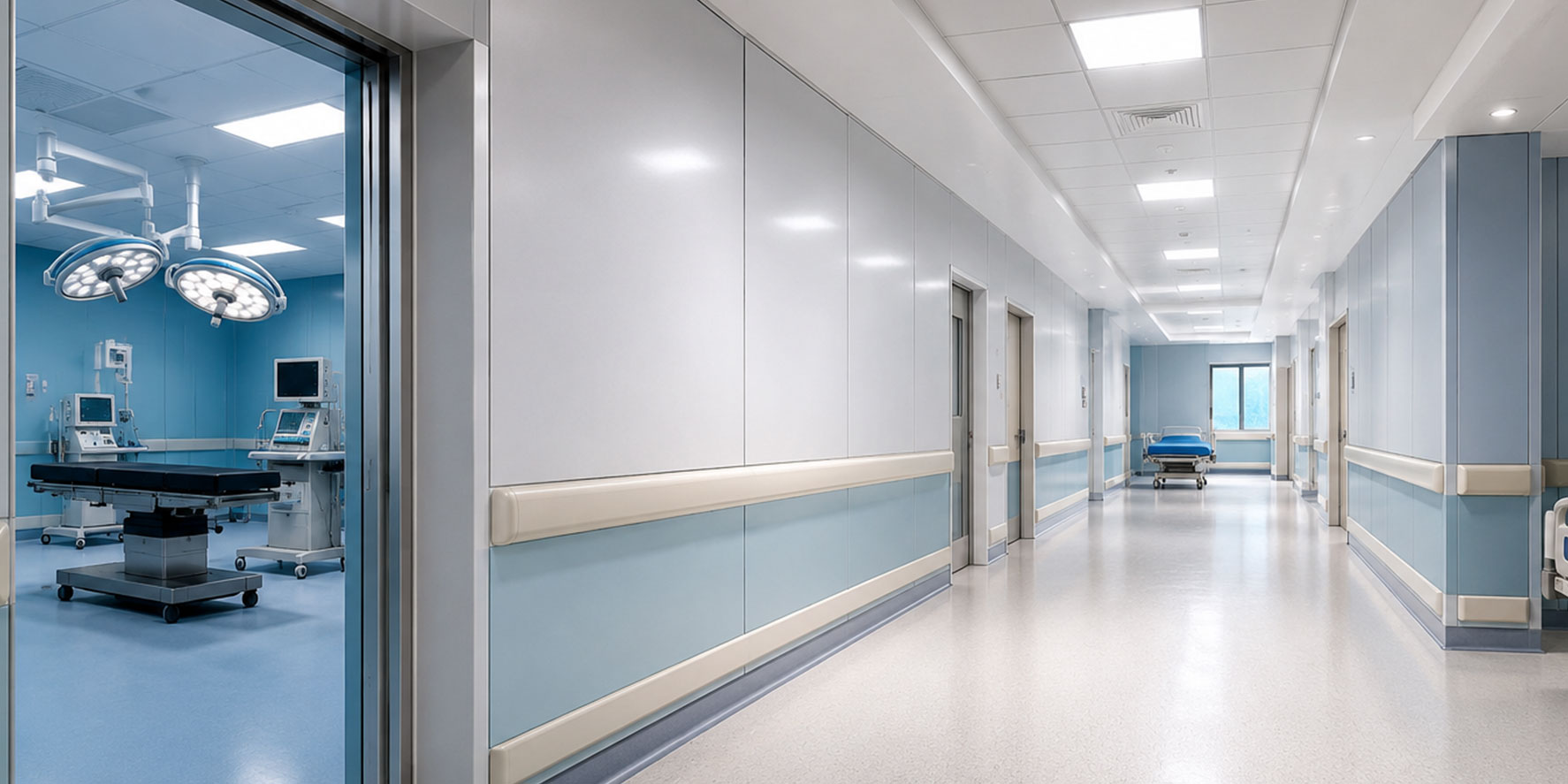
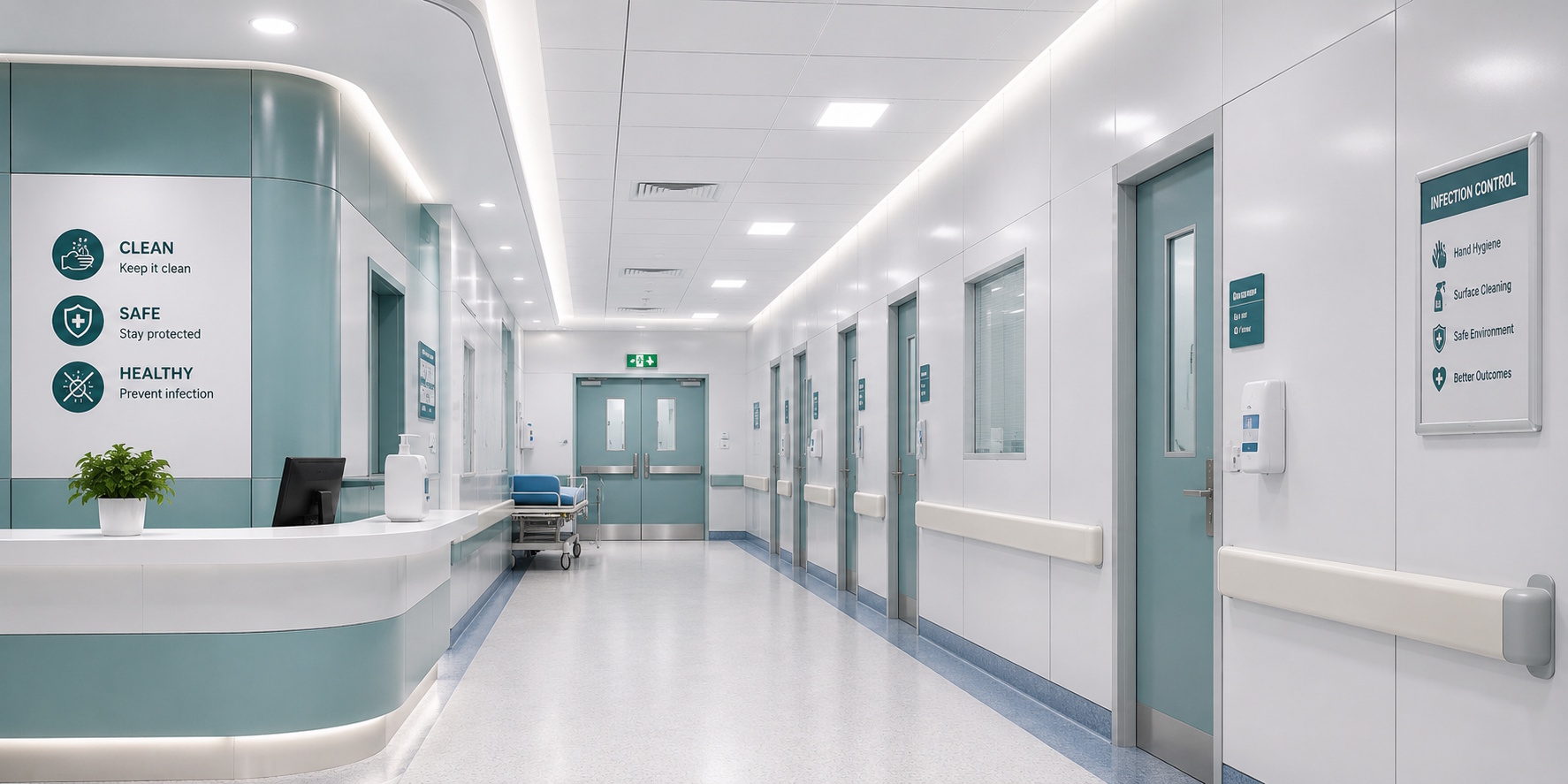
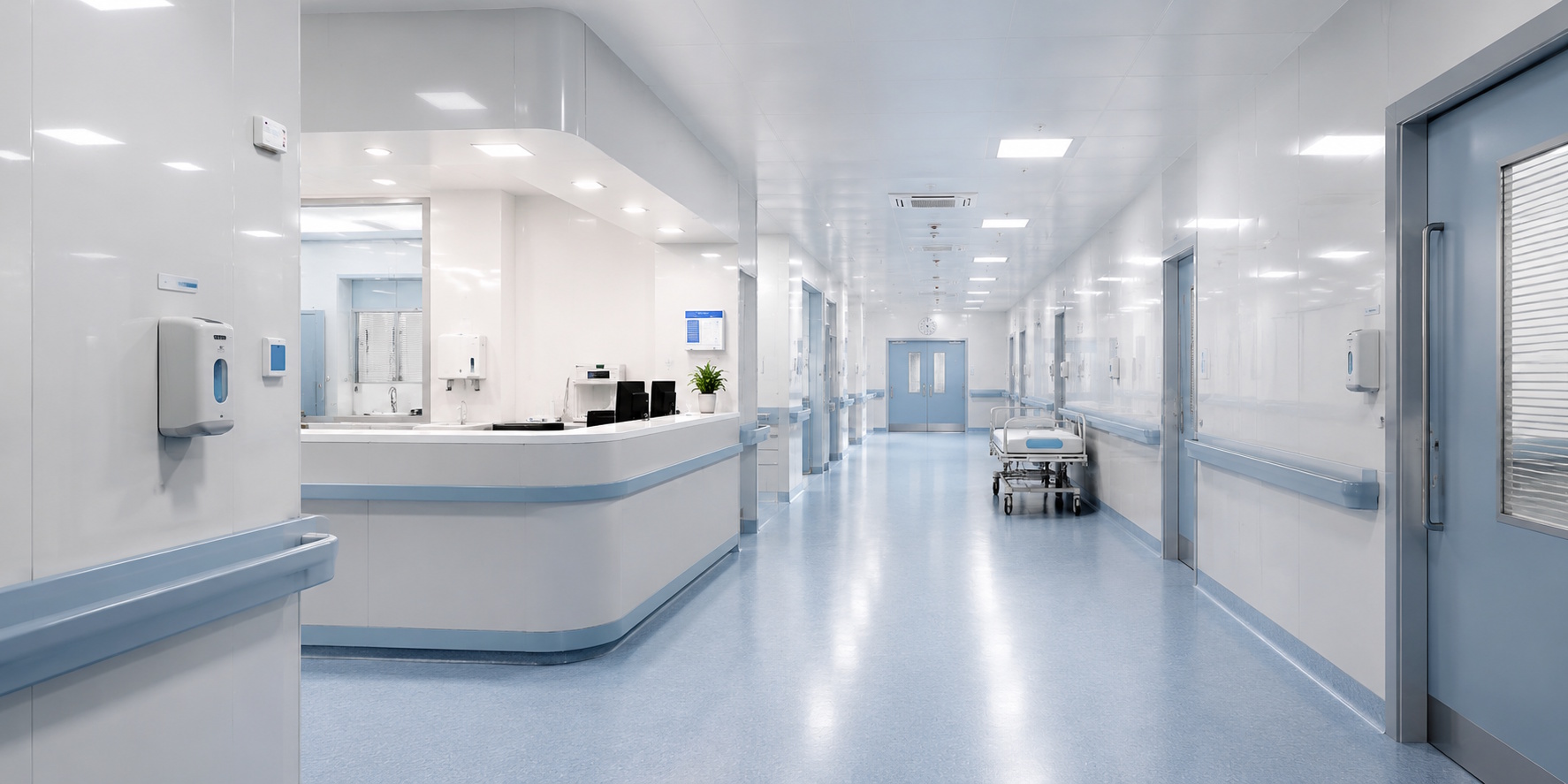
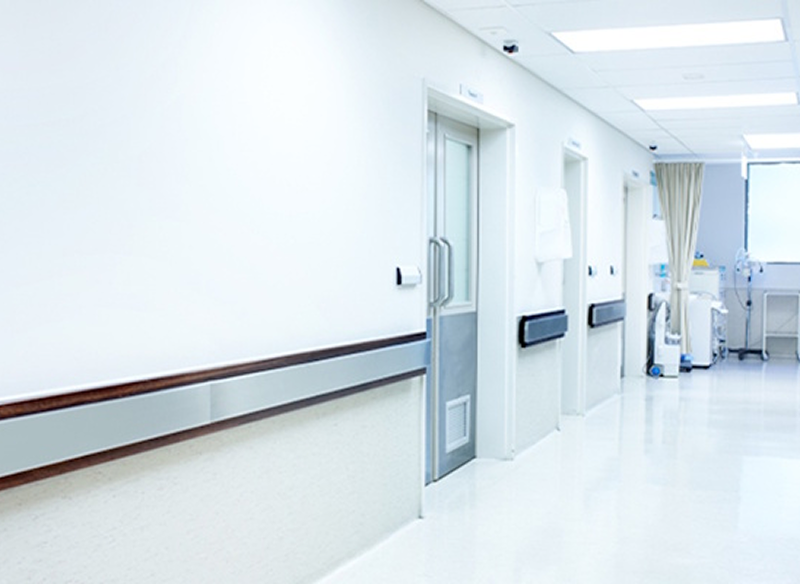
Hospitals need wall surfaces that support hygiene, durability, and easy maintenance while withstanding frequent cleaning, moisture, stains, impacts, and daily healthcare activity. Choosing the right wall finish requires more than considering appearance. Healthcare facilities should evaluate cleanability, resistance to disinfectants and moisture, durability, and overall suitability for demanding environments. Antimicrobial wall panels can support this approach by combining hygienic surface properties with practical performance. However, products can differ significantly in their construction, testing, maintenance requirements, and resistance characteristics. Understanding these factors enables hospitals to select wall panels that align with their operational needs, cleaning protocols, and long-term healthcare facility requirements.
Why Wall Surfaces Matter in Healthcare Environments
Environmental cleaning is an important component of infection prevention in healthcare facilities. The Centers for Disease Control and Prevention (CDC) identifies floors, walls, tables, and other environmental surfaces as part of the hospital environment that needs appropriate cleaning and disinfection practices. While walls generally present less infection-transmission risk than frequently touched surfaces such as bed rails or door handles, their condition still matters. Damaged, porous, difficult-to-clean, or moisture-sensitive finishes can make routine maintenance more challenging. The CDC recommends keeping housekeeping surfaces visibly clean and cleaning walls in patient-care areas when they become visibly soiled or contaminated. This makes wall-panel selection an important part of facility planning. A suitable wall system should complement the hospital's established cleaning and infection-control procedures rather than create additional maintenance challenges.
What Should Healthcare Facilities Look For in Antimicrobial Wall Panels?
Selecting antimicrobial wall panels for hospitals requires evaluating more than antimicrobial performance alone. Healthcare facilities should consider hygiene, cleanability, durability, safety, and long-term maintenance to ensure the chosen wall system suits demanding healthcare environments.
1. Proven Antimicrobial Performance
Healthcare facilities should look for antimicrobial panels supported by recognized testing and reliable technical documentation. Standards such as ISO 22196 can help evaluate antibacterial activity on non-porous surfaces. Verified performance provides greater confidence that antimicrobial properties are based on testing rather than unsupported product claims.
2. Smooth and Non-Porous Surface
A smooth, non-porous surface can make routine cleaning easier by limiting areas where moisture, dirt, and contaminants may accumulate. Healthcare facilities should prioritize wall panels with impervious surfaces that can be effectively wiped and maintained, particularly in patient rooms, treatment areas, laboratories, and other hygiene-sensitive spaces.
3. Resistance to Cleaning Chemicals
Hospital walls are regularly exposed to cleaning agents and disinfectants. Wall panels should therefore be compatible with the chemicals used according to the facility's cleaning protocols. Good chemical resistance helps minimize surface deterioration, discoloration, or damage caused by repeated cleaning and disinfection over time.
4. Moisture Resistance
Moisture resistance is important in healthcare environments where walls may encounter water, cleaning solutions, humidity, or accidental spills. Suitable wall panels should resist moisture absorption and maintain their surface integrity during regular use. This is particularly valuable in wash areas, laboratories, patient rooms, and utility spaces.
5. Seamless or Low-Joint Installation
Wall panels with carefully designed joints can simplify cleaning and reduce areas where dirt or moisture may accumulate. Healthcare facilities should evaluate how panels connect at seams, corners, edges, and penetrations. Properly finished installations can provide a smoother, more maintainable wall surface throughout hygiene-sensitive areas.
6. Impact and Damage Resistance
Hospital walls can experience contact with beds, wheelchairs, trolleys, medical equipment, and other objects. Wall panels should therefore offer suitable impact resistance for their intended application. Durable surfaces can help reduce scratches, dents, cracks, and other damage that may increase maintenance requirements or compromise cleanability.
7. Ease of Cleaning and Maintenance
Antimicrobial properties do not eliminate the need for routine cleaning and disinfection. Wall panels should be easy to wipe, maintain, and clean according to established healthcare protocols. Facilities should also consider stain resistance, maintenance requirements, cleaning instructions, and whether specialized products or procedures are necessary.
8. Application-Specific Suitability
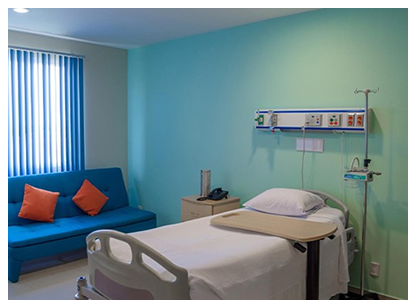
Different hospital areas have different environmental and operational requirements. Operating rooms, intensive care units, patient wards, corridors, laboratories, and treatment areas may experience varying levels of traffic, moisture, contamination, and cleaning. Wall panels should therefore be selected according to the specific conditions of each application.
9. Fire and Safety Performance
Healthcare facilities should consider the fire-performance characteristics of wall panels and ensure that selected materials comply with applicable building codes, project specifications, and safety requirements. Technical documentation should be reviewed for relevant classifications and testing, particularly when panels are being installed across large healthcare interiors.
10. Long-Term Value and Technical Documentation
Hospitals should assess lifecycle value rather than focusing only on initial purchase cost. Installation, cleaning, repairs, replacement, and expected service life can influence overall expenses. Before selection, procurement teams should review technical datasheets, test reports, warranties, installation guidance, and maintenance recommendations to support an informed decision.
Antimicrobial Wall Panels Should Support, Not Replace, Infection Control
One of the most important points to remember is that antimicrobial wall panels are only one element of a hospital's environmental hygiene strategy. No wall material can replace appropriate cleaning and disinfection procedures. The CDC emphasizes that healthcare facilities need structured cleaning programs, trained personnel, appropriate products, standardized protocols, and monitoring of cleaning effectiveness. Wall materials should therefore be selected because they support these practices. A surface that is smooth, non-porous, durable, moisture-resistant, compatible with appropriate cleaning chemicals, and easy to maintain can make the physical environment easier to manage. Verified antimicrobial properties can provide an additional performance characteristic, but they should be considered within the wider framework of infection prevention.
Making the Right Choice for a Healthcare Facility
Selecting antimicrobial wall panels for hospitals requires balancing hygiene, durability, maintenance, safety, and long-term performance. Facilities should evaluate antimicrobial performance, non-porous surfaces, chemical and moisture resistance, impact strength, cleanable joints, fire performance, application suitability, and technical documentation. Kleenclad offers antimicrobial wall panels for hospitals, combining hygienic surface performance with durability, easy maintenance, and suitability for demanding hospital applications. Hospitals should also consider actual operating conditions, as requirements can vary between operating rooms, intensive care areas, corridors, and patient spaces. Ultimately, the right wall panel should provide documented performance aligned with cleaning protocols, environmental conditions, operational demands, and maintenance objectives, supporting cleaner, durable, and practical healthcare interiors over the long term.
Choosing the right antimicrobial wall panels for hospitals requires careful consideration of hygiene, durability, cleanability, safety, and long-term performance. Antimicrobial properties can provide an added layer of surface protection, but they should complement established cleaning and infection-control practices rather than replace them. Healthcare facilities should evaluate surface characteristics, chemical and moisture resistance, impact performance, installation quality, and relevant testing before making a decision. By assessing these factors together, hospitals can select wall panels that support easier maintenance, withstand demanding daily conditions, and contribute to cleaner, more durable healthcare interiors. A well-selected wall system can ultimately support both operational efficiency and environmental hygiene.
Related Blogs
Explore updates and perspectives from KleenClad as we share what’s shaping cleaner, smarter spaces.
.png)