How Hygienic Wall Cladding Supports Safer Healthcare Environments
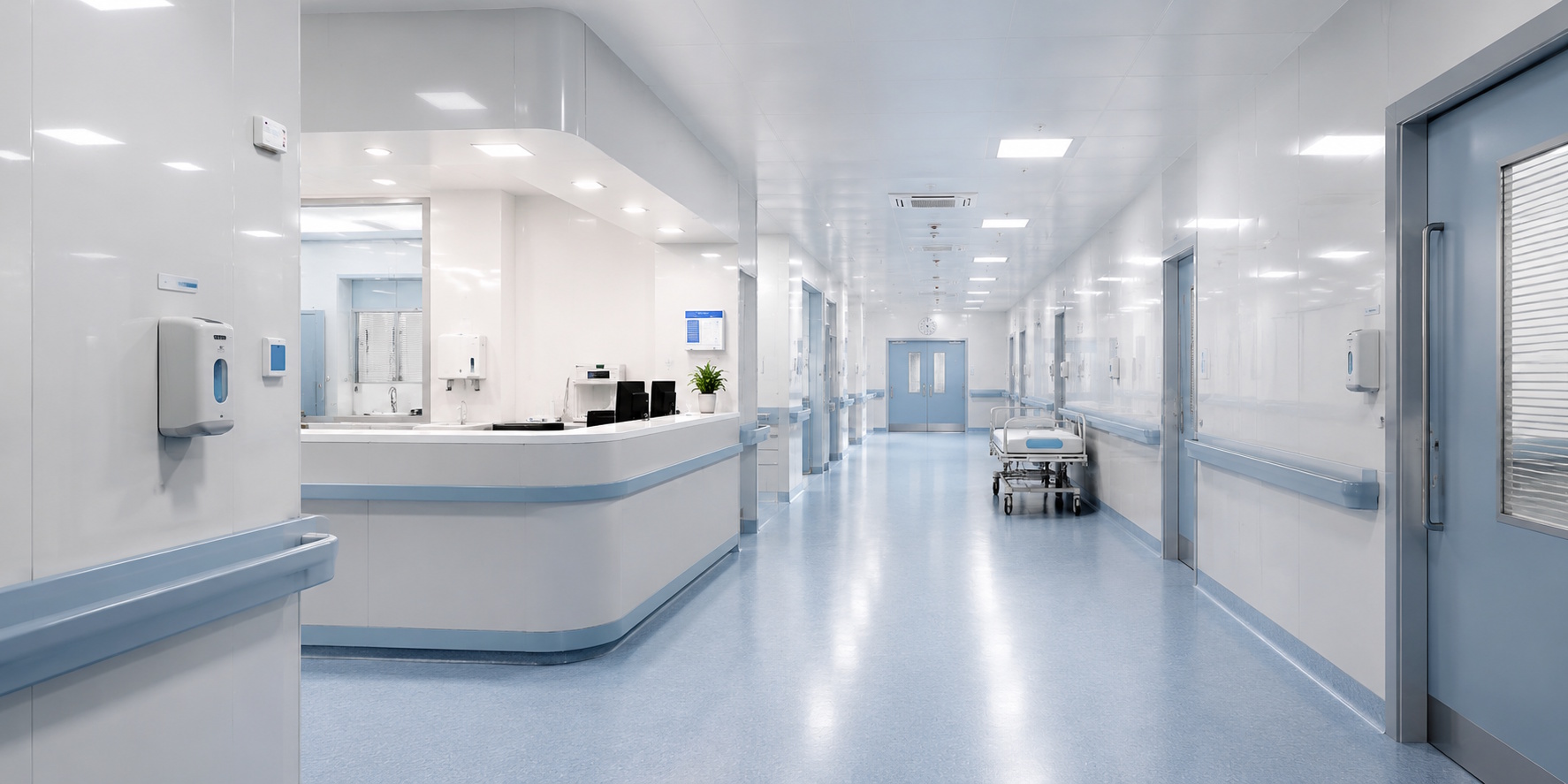
Hospitals and healthcare facilities require environments where hygiene, durability, safety, and ease of maintenance work together. Every surface inside a healthcare facility can influence how efficiently cleaning and maintenance activities are carried out. Walls, in particular, are exposed to frequent cleaning, movement of medical equipment, daily traffic, moisture, stains, and accidental impact.
Traditional painted walls may require regular maintenance and can deteriorate over time, especially in high-use healthcare areas. This is one reason why modern healthcare projects are increasingly considering purpose-built wall protection systems.
Hygienic wall cladding for hospitals provides a practical approach to creating durable and easy-to-maintain interior surfaces. When appropriately specified and installed, wall cladding can help healthcare facilities maintain cleaner-looking, more resilient environments while supporting the operational demands of hospitals, clinics, laboratories, and other medical spaces.
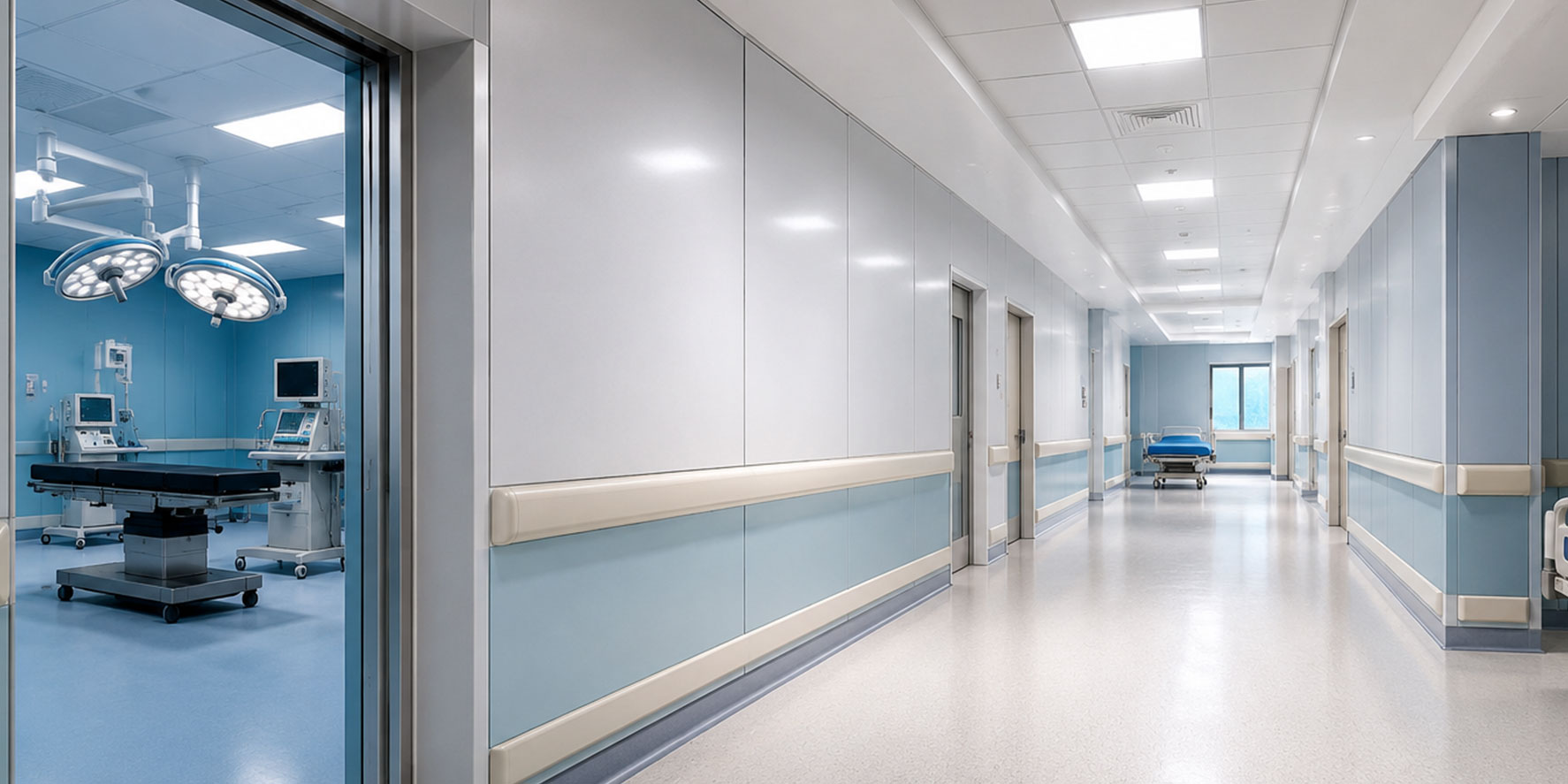
From operating theatres and intensive care units to corridors, laboratories, patient rooms, and treatment areas, the right wall surface can make a significant difference to the long-term performance of a healthcare facility.
Why Wall Surfaces Matter in Healthcare Facilities
Healthcare facilities operate continuously, which means their interior surfaces are subjected to considerably more activity than those in conventional commercial buildings.
Walls can come into contact with:
- Medical equipment and trolley movement
- Frequent cleaning and disinfection
- Moisture and spills
- Dust and dirt
- Patient beds and wheelchairs
- Furniture and other equipment
- Regular staff and visitor movement
- Accidental impact and abrasion
Over time, conventional wall finishes can develop scratches, cracks, stains, peeling, or other forms of surface deterioration. Damaged surfaces can also make routine cleaning and maintenance more difficult.
This is where healthcare wall cladding becomes an important consideration during hospital construction, renovation, and refurbishment projects.
Rather than treating walls purely as an aesthetic element, healthcare designers and facility managers can consider them as part of the overall functional environment. A properly selected wall cladding system can provide a robust surface designed to withstand the demanding conditions found in healthcare facilities.
What Makes Hygienic Hospital Wall Solutions Different?
The requirements of a healthcare facility are different from those of an office, retail store, or residential building. Healthcare spaces require surfaces that can cope with intensive cleaning and everyday operational demands.
Hygienic hospital wall solutions are designed with these requirements in mind. Depending on the selected material and system, wall cladding can provide a smooth, durable, and easier-to-maintain surface compared with conventional wall finishes.
One of the key considerations is surface hygiene. Smooth and properly finished surfaces are generally easier to clean than surfaces with cracks, damaged areas, or difficult-to-access joints.
For healthcare facilities, this can make routine cleaning more efficient.
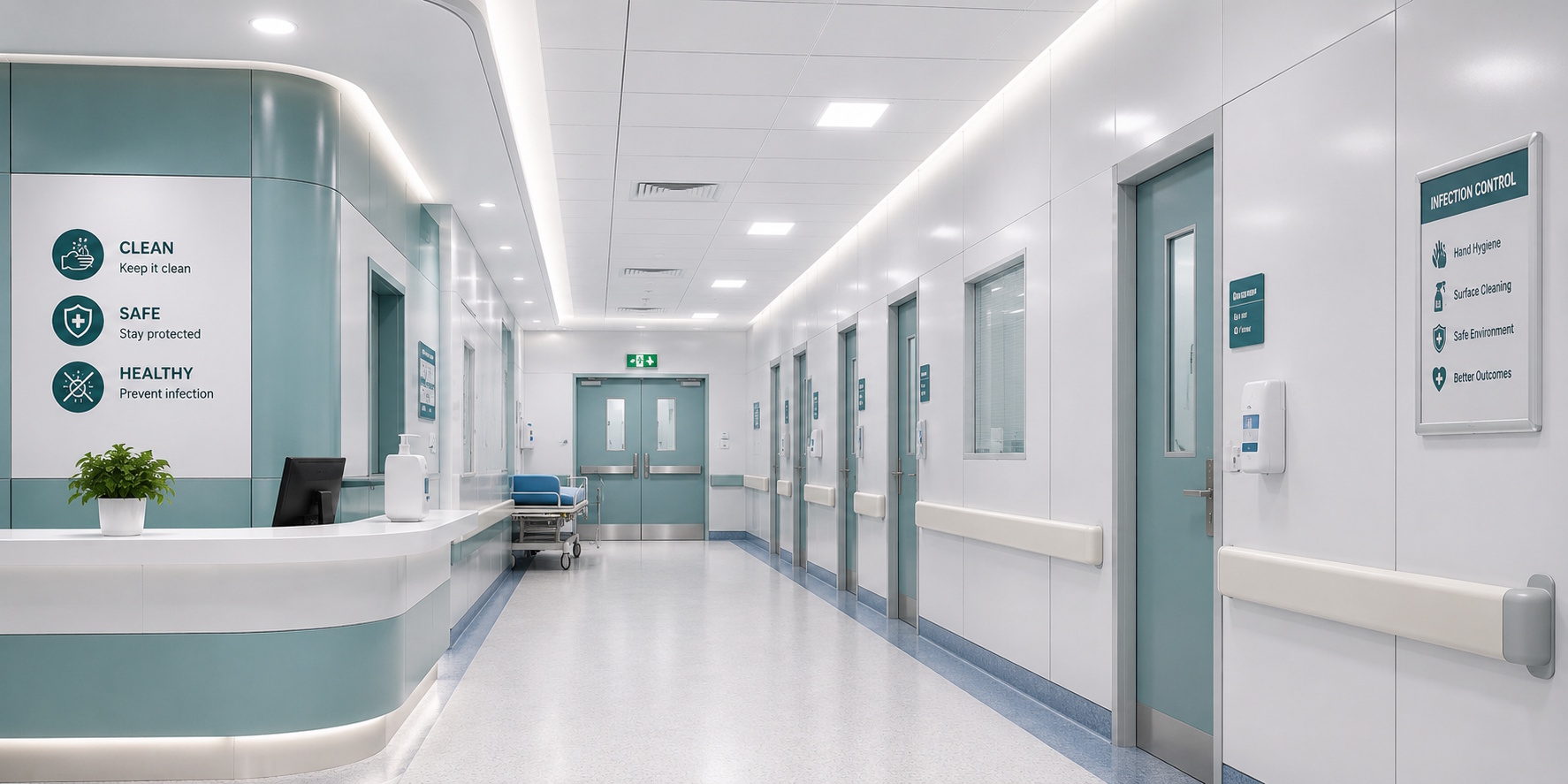
However, wall cladding should not be viewed as a replacement for established infection-prevention procedures. Cleaning protocols, appropriate disinfectants, ventilation, staff practices, and regular maintenance remain essential. Wall surfaces are one part of a much larger infection-control strategy.
Hygienic Wall Cladding for Hospitals and Infection-Control Areas
Certain healthcare areas require particularly careful consideration when selecting wall finishes.
Operating theatres, ICUs, isolation areas, laboratories, diagnostic rooms, treatment rooms, and other clinical spaces may experience frequent cleaning and high levels of activity.
In these environments, wall surfaces need to remain functional despite repeated exposure to cleaning procedures and daily use.
Hygienic wall cladding for hospitals can provide a protective surface that helps reduce the maintenance challenges associated with conventional wall finishes.
A well-designed cladding system can also help create more consistent wall surfaces across different areas of a facility. This is particularly useful when hospitals need to maintain a professional and controlled environment throughout multiple departments.
The exact performance of a cladding system depends on the product specification, installation method, joint treatment, substrate condition, and cleaning practices. Therefore, healthcare projects should evaluate the complete wall system rather than selecting a material based only on appearance.
Durability for High-Traffic Healthcare Areas
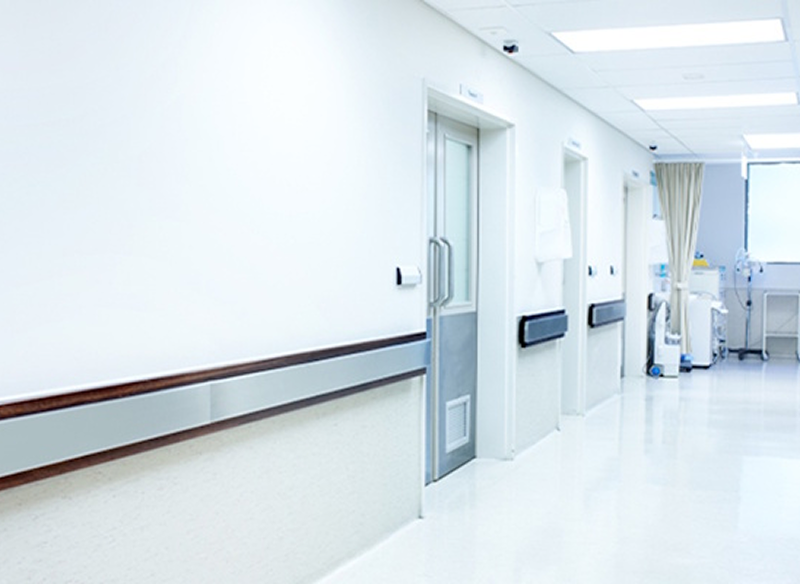
Hospitals experience constant movement. Patient beds, wheelchairs, medical carts, cleaning equipment, and other mobile equipment regularly move through corridors and treatment areas.
This creates a greater possibility of scratches, dents, scuff marks, and surface damage.
Repeated repairs to painted walls can increase maintenance requirements and create interruptions for hospital staff. In busy facilities, even seemingly small maintenance activities can become inconvenient when rooms or corridors need to remain operational.
Hospital wall cladding can provide an additional protective layer over walls, helping them withstand everyday use more effectively when the appropriate system is selected for the application.
This can be particularly valuable in:
- Hospital corridors
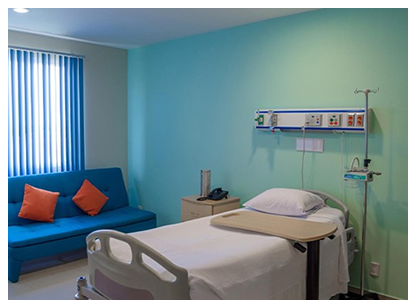
- Patient rooms
- Emergency departments
- ICU areas
- Diagnostic centres
- Laboratories
- Treatment rooms
- Waiting areas
- Recovery areas
- Service and utility spaces
Durability should always be evaluated according to the specific application. A wall system suitable for a general corridor may have different requirements from one installed in a highly controlled clinical environment.
Easier Cleaning and Maintenance
Cleaning is a continuous requirement in healthcare facilities. Surfaces must be maintained regularly to support hygiene protocols and keep the facility presentable.
Traditional wall finishes may become difficult to maintain when they develop cracks, peeling paint, stains, or surface damage. Frequent repainting can also increase long-term maintenance work.
A properly specified hygienic hospital cladding system can offer a more practical surface for routine maintenance.
Smooth, cleanable wall surfaces can make everyday cleaning activities more straightforward. Depending on the selected product, the surface may also be designed to withstand commonly used cleaning procedures and chemicals.
Before installation, however, facility teams should always confirm the manufacturer's recommended cleaning methods and chemical compatibility. Using unsuitable cleaning agents can damage even high-performance wall surfaces.
Creating Better Healthcare Interiors
Healthcare environments are not only functional spaces. They are also places where patients, families, doctors, nurses, technicians, and support staff spend significant amounts of time.
The appearance of a healthcare facility can influence how people perceive the environment.
Older facilities often rely heavily on plain painted walls. Modern healthcare design, however, increasingly considers colour, finish, visual consistency, and overall atmosphere alongside practical requirements.
Modern healthcare wall cladding systems can support this approach by offering different finishes, colours, textures, and design possibilities, depending on the product range.
Design flexibility allows architects and interior designers to create spaces that feel cleaner, more organised, and more contemporary without compromising the practical requirements of the facility.
For example, different colours can potentially be used to distinguish departments or zones, while carefully selected finishes can help create a more welcoming environment in patient-facing areas.
Wall Protection Beyond Aesthetics
One of the biggest advantages of considering wall cladding during the design stage is that it addresses more than appearance.
The wall system becomes part of the building's long-term maintenance strategy.
Instead of repeatedly repairing damaged paint or surface finishes, hospitals can consider a more durable wall protection solution from the beginning.
This is particularly relevant during:
- New hospital construction
- Hospital renovation projects
- Healthcare facility expansion
- Department upgrades
- Clinical area refurbishment
- Medical centre development
- Diagnostic centre projects
For renovation projects, wall cladding can also provide an opportunity to upgrade the appearance and functional performance of an existing space without completely rebuilding the underlying structure.
Important Factors When Selecting Hospital Wall Cladding
Not every wall cladding material is suitable for every healthcare application. Selection should be based on the specific requirements of the project.
Before choosing a system, architects, contractors, consultants, and facility managers should consider factors such as:
- Hygiene Requirements: Determine how the wall surface will be cleaned and maintained and whether the selected system is appropriate for the intended healthcare environment.
- Chemical Resistance: Healthcare surfaces may be exposed to cleaning and disinfecting agents. Confirm that the selected material can withstand the chemicals specified for the facility.
- Impact Resistance: High-traffic areas may require stronger protection against trolley, bed, wheelchair, and equipment impact.
- Installation Method: The installation process, substrate preparation, joints, corners, and finishing details can influence the overall performance of the system.
- Maintenance Requirements: Consider how easily individual areas can be cleaned, repaired, maintained, or replaced over the lifecycle of the facility.
- Design Requirements: The selected finish should complement the architectural design and intended function of each healthcare area.
- Compliance and Product Documentation: Healthcare projects should review relevant technical documentation, test reports, certifications, and manufacturer recommendations before specifying a wall cladding system.
Where Hygienic Wall Cladding Can Be Used
The application of hygienic wall cladding for healthcare is not limited to operating rooms.
Depending on the product and project requirements, wall cladding can be considered for a variety of healthcare environments, including:
- Operation theatres
- Intensive care units
- Patient rooms
- Emergency departments
- Laboratories
- Diagnostic centres
- Dialysis areas
- Treatment rooms
- Corridors
- Recovery rooms
- Waiting areas
- Clinics and medical centres
Each area has different operational requirements, so the specification should be based on the conditions the wall surface will actually experience.
Why Healthcare Projects Need a Long-Term View
The initial cost of a wall finish is only one part of the overall investment. Healthcare facilities need to consider maintenance, cleaning, repairs, downtime, and the expected service life of the installed system.
A low-cost wall finish that requires frequent repainting or repairs may not always represent the lowest total cost over the life of the facility.
This is why hygienic hospital wall solutions should be evaluated from a lifecycle perspective.
A durable wall system can potentially reduce recurring maintenance requirements and help maintain a consistent appearance over a longer period. More importantly, choosing appropriate wall surfaces during the planning stage can help prevent avoidable problems later.
Building Cleaner, More Durable Healthcare Spaces with Kleenclad
Healthcare environments demand materials that can perform under demanding everyday conditions. Walls need to support cleaning routines, withstand regular activity, protect underlying surfaces, and contribute to a professional healthcare environment.
Kleenclad provides wall cladding solutions designed for healthcare applications, helping architects, contractors, hospital management teams, and healthcare project professionals consider hygiene, durability, maintenance, and design together.
From clinical areas and operating theatres to corridors and other high-traffic spaces, the right hospital wall cladding system can become an important part of a facility's overall interior strategy.
Choosing the right wall surface is not simply a design decision. It is a long-term infrastructure decision that can influence maintenance, durability, hygiene management, and the everyday experience of people using the facility.
If you are planning a new healthcare project, hospital renovation, or clinical area upgrade, explore suitable hygienic wall cladding for hospitals based on your project's cleaning requirements, environmental conditions, design goals, and performance expectations.
FAQs
1. What are hygienic hospital wall solutions?
Hygienic hospital wall solutions are specially designed wall systems that support easy cleaning, durability, and maintenance in healthcare environments. These solutions can help protect walls from stains, impact, moisture, and frequent cleaning while creating cleaner and more functional clinical spaces.
2. Why is hygienic wall cladding for hospitals important?
Hygienic wall cladding for hospitals provides a durable and easy-to-maintain surface for demanding healthcare environments. It can be used in areas such as operation theatres, ICUs, laboratories, corridors, patient rooms, and treatment areas where regular cleaning and surface durability are important.
3. What is healthcare wall cladding used for?
Healthcare wall cladding is used to protect and finish interior wall surfaces in hospitals, clinics, diagnostic centres, laboratories, and other medical facilities. Depending on the product specification, it can provide resistance to impact, stains, moisture, and routine cleaning requirements.
4. How does hygienic hospital cladding support healthcare hygiene?
Hygienic hospital cladding can provide smooth, cleanable wall surfaces that are easier to maintain as part of routine healthcare cleaning procedures. Proper installation, joint detailing, approved cleaning methods, and regular maintenance are also essential for effective hygiene management.
5. Where can hospital wall cladding be installed?
Hospital wall cladding can be considered for operation theatres, ICUs, patient rooms, emergency departments, laboratories, diagnostic areas, dialysis centres, treatment rooms, corridors, recovery rooms, and other healthcare spaces. The appropriate specification depends on the requirements of each area.
6. What are the benefits of hygienic wall cladding for healthcare facilities?
Hygienic wall cladding for healthcare facilities can offer several practical benefits, including easier maintenance, improved wall protection, durability in high-traffic areas, resistance to everyday wear, and design flexibility. The exact performance depends on the selected cladding system and installation method.
7. How is healthcare wall cladding different from painted hospital walls?
Healthcare wall cladding is designed as a protective wall surface, whereas conventional paint primarily provides a decorative finish. Depending on the system selected, cladding can provide greater resistance to impact, cleaning, stains, and everyday wear, potentially reducing recurring wall maintenance.
8. Is hygienic hospital cladding suitable for high-traffic areas?
Yes, hygienic hospital cladding can be suitable for high-traffic healthcare areas when the correct product is selected for the application. Corridors, emergency departments, patient areas, and spaces exposed to frequent movement of beds, trolleys, and equipment may benefit from durable wall protection.
9. What should you consider when choosing hospital wall cladding?
When choosing hospital wall cladding, healthcare projects should consider hygiene requirements, impact resistance, chemical resistance, cleaning procedures, installation methods, maintenance requirements, product documentation, and the specific environmental conditions of the area where the cladding will be installed.
10. Why choose hygienic wall cladding for healthcare projects?
Hygienic wall cladding for healthcare projects can combine practical wall protection with easier maintenance and modern design possibilities. For hospitals and clinical facilities, selecting an appropriate wall system can support long-term durability while helping create clean, professional, and functional healthcare environments.
Related Blogs
Explore updates and perspectives from KleenClad as we share what’s shaping cleaner, smarter spaces.
.png)