Designing Hygienic & Aesthetic Patient Rooms: The Role of Hospital Wall Cladding

Patient rooms carry two demands: they must be clinically clean and emotionally calming. Decision makers evaluating hospital wall cladding need surfaces that support infection‑control goals while delivering a quiet visual environment for recovery.

This guide explains how advanced hygienic wall panels for healthcare improve cleanability, durability, and aesthetics, and why Kleenclad is a practical, standards‑aware choice for Indian hospitals and day‑care facilities.

Why walls drive patient room outcomes?

In patient zones, paint scuff, micro-cracks, and stains appear under repeated cleaning. Tiles fail at grout lines, which hold moisture and soil. These failure modes force frequent touch‑ups and disrupt operations.

Seam‑minimised hygienic wall panels for healthcare create smooth, non‑porous surfaces that clean quickly, reduce harbourage points, and maintain appearance through daily wipe‑downs and terminal cleans.

What defines effective hospital wall cladding

  • Non‑porous, low‑texture finish that resists stains and allows fast, repeatable cleaning.
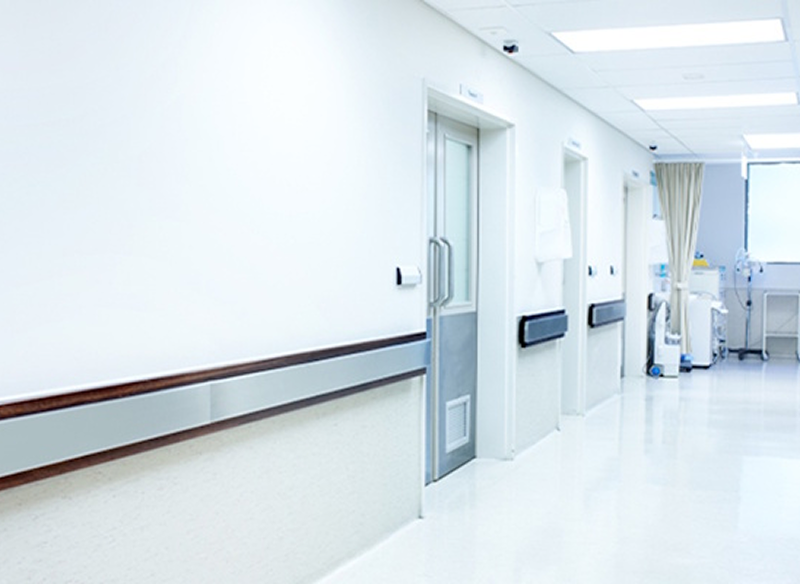
  • Seam‑minimised detailing with sealed joints, coved skirtings, and thermoformed corners to eliminate dirt traps along bed heads, handrails, and equipment paths.
  • Compatibility with common hospital cleaning chemistries, including neutral to alkaline detergents, alcohols, oxidisers, and periodic sporicidals when used as directed.
  • Built‑in antimicrobial surface protection that helps reduce microbial load on the panel surface throughout the product life and complements established cleaning SOPs.
  • Fire performance documentation suitable for interior healthcare applications, with clear, current test data.
  • Aftercare guidance covering compatible agents, dilution, contact times, and temperature limits to standardise housekeeping.

Designing for hygiene and calm aesthetics

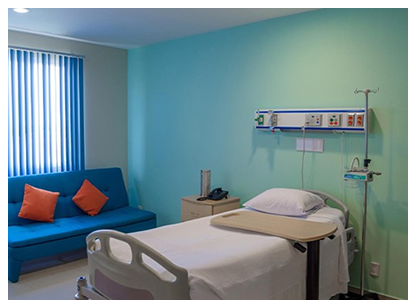
Patient rooms benefit from soft, low‑gloss palettes that reduce glare and visual noise. With hygienic wall panels for healthcare, colour can be used to zone bed spaces, guide staff workflow, and support wayfinding without sacrificing cleanability. Integrated trims and continuous corners preserve the design line while making routine wipes faster and more thorough.

Where head‑walls carry oxygen, suction, and power, panel cut‑outs should be factory‑finished or sealed onsite with approved methods to protect edges.

Material choices compared for hospital wall cladding

  • PVC hygienic panels: Seam‑minimised systems with coved skirtings and thermoformed corners offer smooth, continuous surfaces that tolerate frequent disinfection. Integrated silver‑ion technology provides built‑in surface protection that helps inhibit microbial growth and does not wash off in normal use.
  • Compact laminate and HPL: Robust and impact-resistant, suitable for corridors and bed‑head surrounds. Validate long‑term performance with aggressive disinfectants and confirm edge protection at fixtures.
  • Stainless steel: Ideal for localised protection in utility alcoves or high‑impact zones, but usually excessive for full patient rooms due to cost and appearance changes with abrasion.
  • Ceramic tiles: Durable faces but grout drives maintenance and hygiene risk, especially near wet areas and skirting lines.

Placement priorities inside patient rooms

  • Bed‑head and adjacent walls: Smooth, non‑porous panels prevent soil build‑up behind equipment rails and outlets.
  • Hand‑wash and ensuite interfaces: Moisture‑stable surfaces with sealed edges limit ingress and simplify daily sanitation.
  • Door swings and trolley paths: Impact‑resistant finishes reduce scuffs and reduce touch‑up cycles.
  • Nurses’ station sightlines: Calm tones with low reflectance improve visual comfort during observations without hiding soils.

How does Kleenclad strengthen patient room performance?

  • Seam‑minimised hygiene by design: Panels, trims, and thermoformed corners create continuous, easy‑to‑wipe surfaces that reduce inspection failures at edges and joints.
  • Built‑in antimicrobial surface protection: Embedded silver‑ion technology helps reduce microbial load on the panel surface for the product’s lifetime. It complements cleaning and disinfection and is not a substitute for either.
  • Chemical and moisture resilience: Surfaces retain integrity under frequent disinfectant rotations when used as guided, helping avoid whitening, softening, or delamination that can shorten service life.
  • Aesthetic versatility: Low‑gloss finishes and calming colour families support patient comfort and staff focus while maintaining clinical standards.
  • Documentation and support: Method statements, installer guidance, and cleaning compatibility information help estates, infection control, and housekeeping align on maintenance.

Specification checklist for transactional decisions

  • Substrate and moisture: Verify substrate condition; specify approved primers and adhesives for a stable bond in conditioned interiors.
  • Joints and corners: Use sealed or welded joints, internal and external corner solutions, and coved skirtings; avoid exposed cut edges.
  • Cleaning compatibility: Request written guidance on compatible agents, dilutions, contact times, and temperature limits.
  • Fire performance: Obtain current test reports appropriate to interior healthcare use.
  • Training and warranty: Prefer partners who support installer training and offer responsive aftercare.

Why is Kleenclad the practical choice for India?

Kleenclad focuses on regulated environments where hygiene, uptime, and patient experience must align with budgets. Systems emphasise continuous, non‑porous surfaces, built‑in antimicrobial surface protection that helps reduce microbial load, and proven compatibility with hospital cleaning protocols.

With disciplined installation and clear aftercare, facilities gain predictable cleaning times, durable appearance, and confident audit performance.

Conclusion

Patient rooms demand surfaces that work clinically and feel calm. Advanced hospital wall cladding and hygienic wall panels for healthcare deliver seam‑minimised geometry, chemical resilience, and built‑in antimicrobial surface protection that supports routine cleaning.

Kleenclad brings these elements together with practical detailing and documentation, helping Indian hospitals maintain cleaner rooms, faster turnarounds, and durable aesthetics that support recovery.